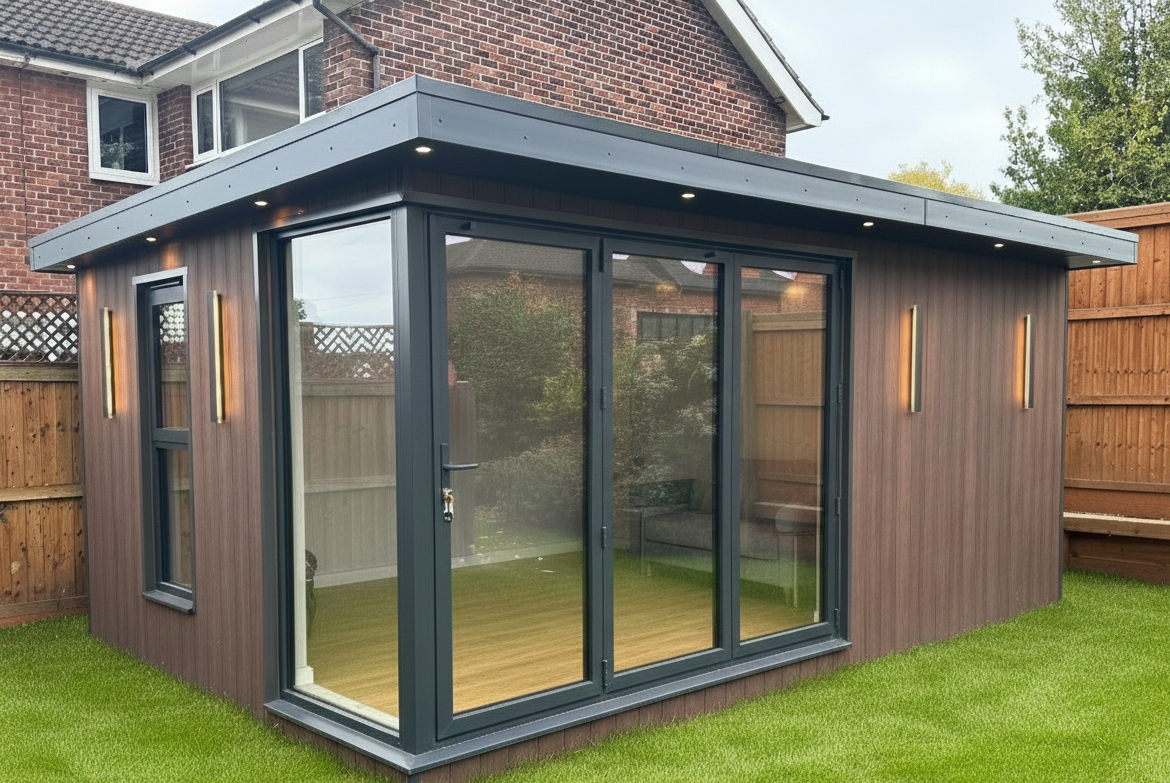
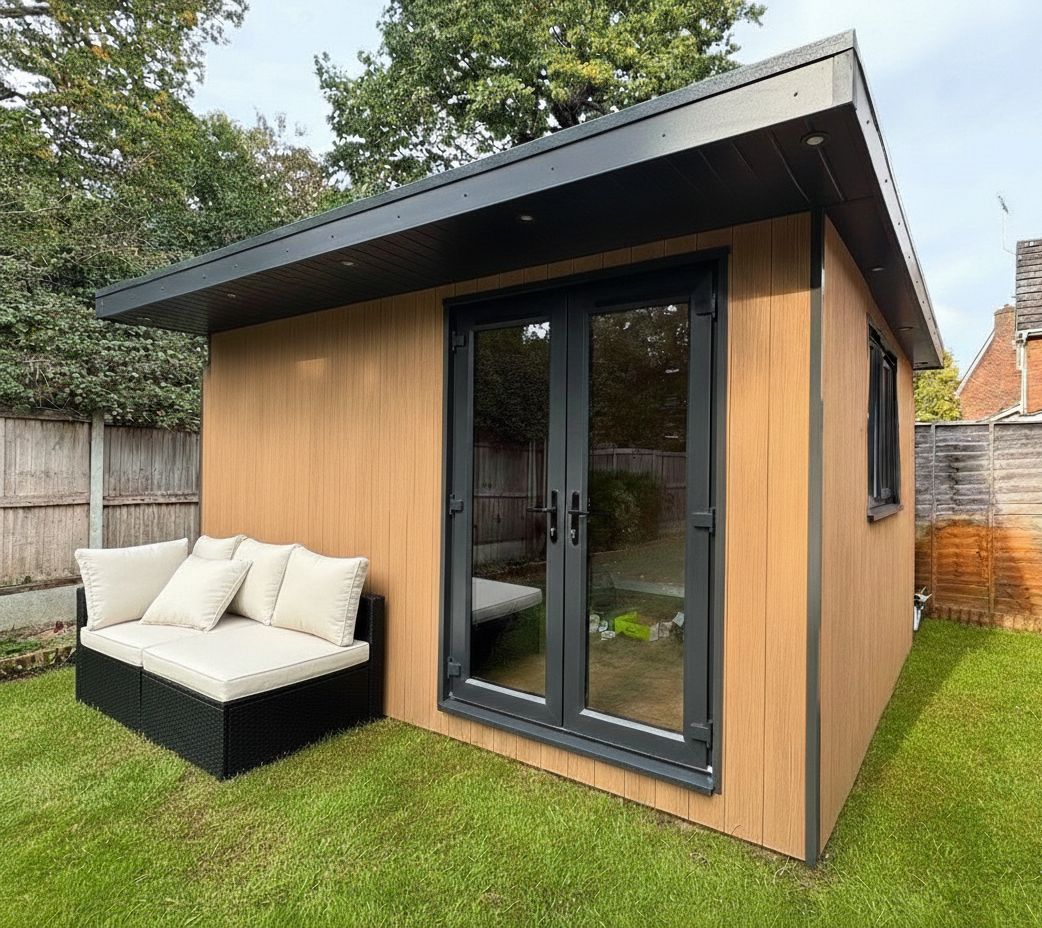
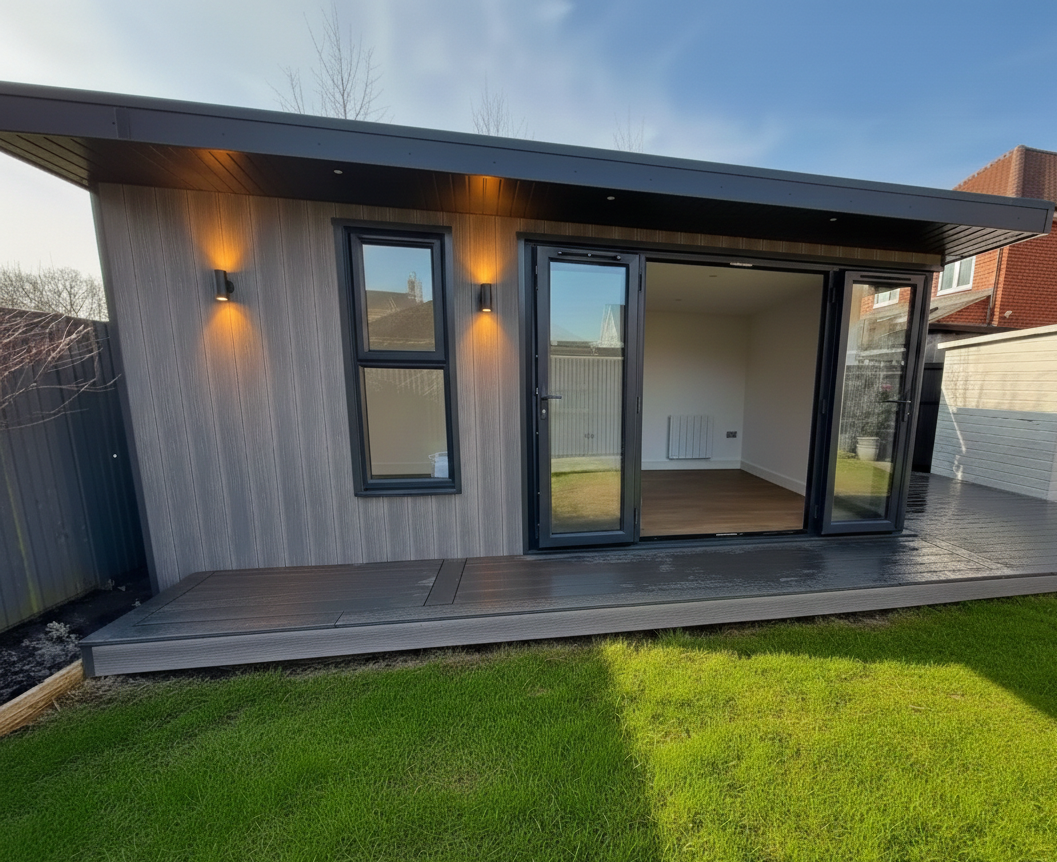
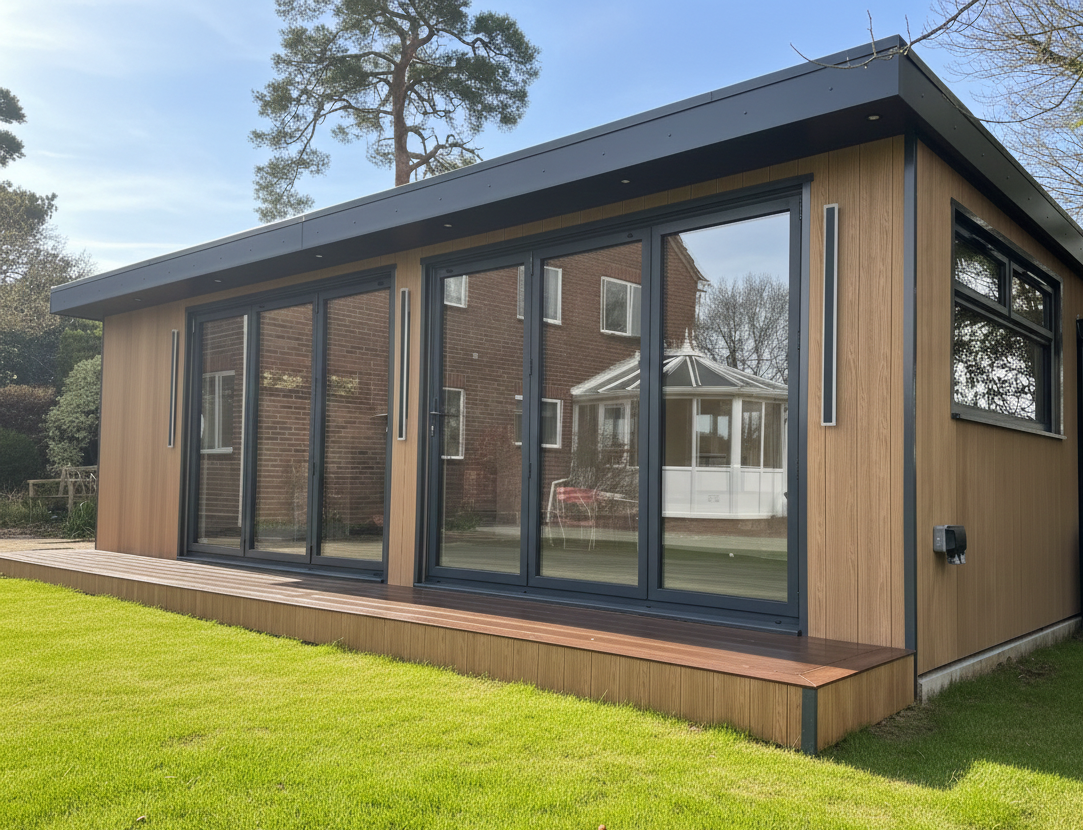
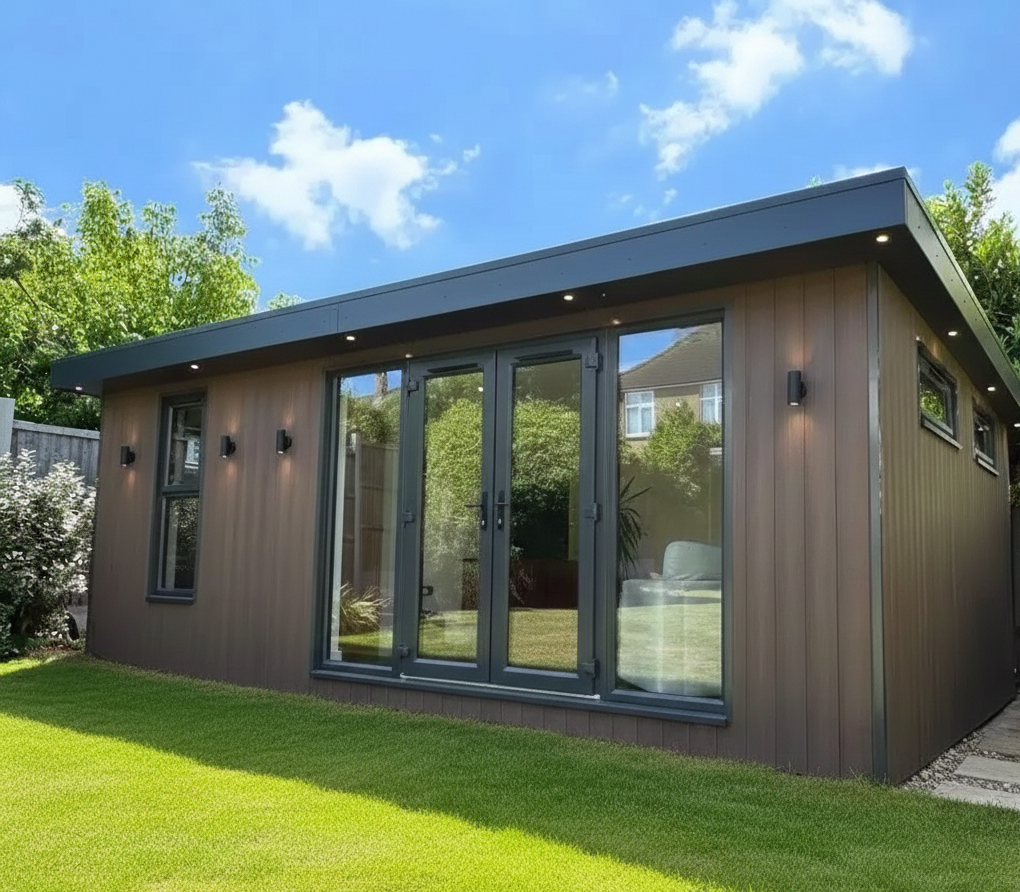
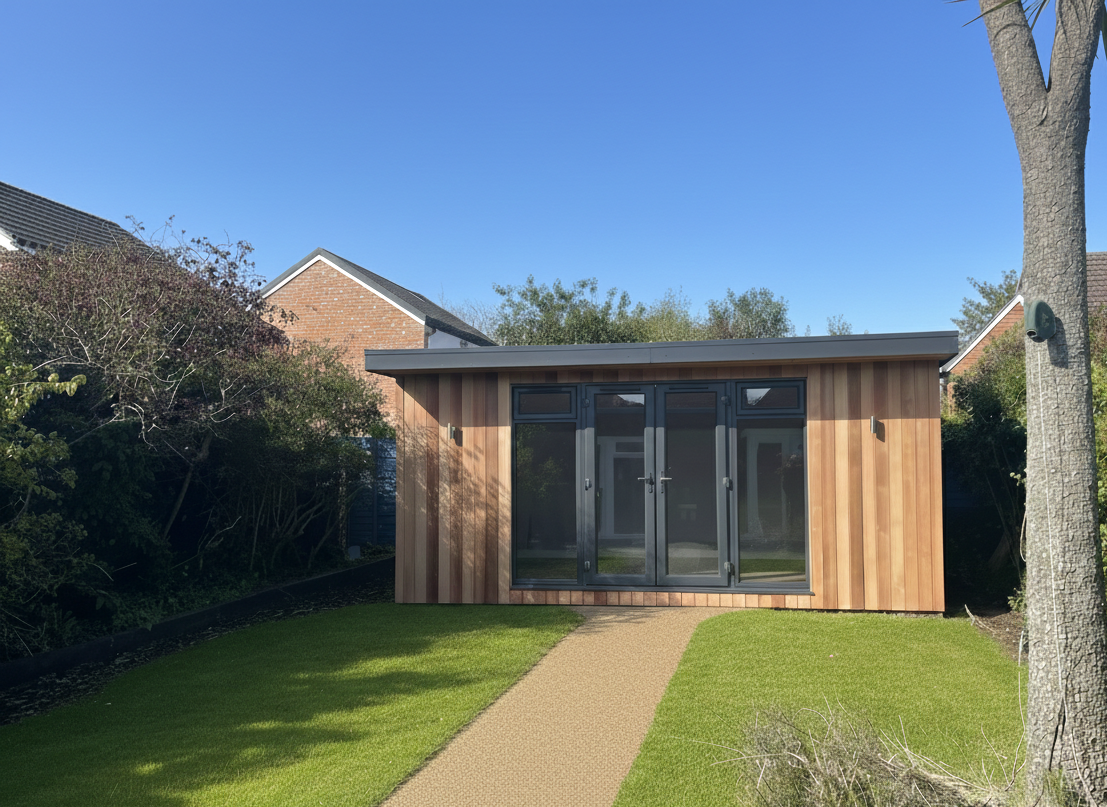
A dedicated garden workshop built in your garden is a much better answer. It gives you a space that is entirely yours, close to home but separate from it, and designed around what you actually need. Bespoke garden buildings are particularly well suited to workshop use because they can be built to your exact dimensions and fitted out to your specific requirements. This guide walks through everything you need to think about when planning one.
Why a Garden Building Works Well as a Workshop
A garden building puts your hobby in a separate space away from the main house. That separation matters more for a workshop than almost any other use. Noise, dust, and fumes are all contained. Work in progress can be left set up on the bench without it getting in anyone’s way. Tools and equipment can be organised exactly the way you want them, and they stay that way between sessions.
Unlike a garage, a purpose-built garden workshop can be positioned and sized to suit your garden and your workflow. You are not limited by an existing footprint or a floor that was designed for parking. You choose where it goes, how big it is, and what goes in it.
For hobbyists who are serious about their craft, having a dedicated building also changes how you approach your work. When the space is right, you spend more time in it and get more done.
What Makes a Workshop Different from an Office or Gym?
A home office needs good lighting, a desk, and an internet connection. A gym needs rubber flooring and ventilation. A workshop has a different set of needs again, and some of them are easy to overlook at the planning stage. Getting these right from the start will save you a lot of frustration later.
Ventilation
Good airflow is one of the most important things to get right in a workshop. Woodworking, painting, varnishing, and soldering all produce fumes or fine particles that need to be removed from the air quickly. A basic trickle vent or opening window is enough for a garden office, but it is not enough for serious workshop use. A basic extractor fan will handle light hobby work, but if you plan to use chemicals, lacquers, or produce a significant amount of dust, you will need a more capable extraction system built in from the start. The Health and Safety Executive’s woodworking guidance is a useful reference for understanding how dust and fumes should be managed safely in a workshop setting.
Flooring
Workshop floors need to be tough. Concrete screed or a solid composite floor is far better than the kind of soft or laminate flooring you might find in a garden office. You will be dropping tools, dragging heavy equipment across it, and possibly working with oils, paints, or adhesives. The floor needs to cope with all of this without cracking, warping, or becoming a slip hazard. It also needs to be easy to clean. A floor that looks like it belongs in a living room is the wrong choice for a working workshop.
Power
A workshop needs considerably more electrical capacity than most garden buildings. You may want to run a table saw, a lathe, a dust extractor, a compressor, and lighting all at the same time. Each of these draws a significant amount of current, and a basic spur off your home’s existing ring main will not cope. You need a dedicated circuit run from your consumer unit, with enough capacity for the equipment you plan to use. It is worth making a list of your tools and their power ratings before you start, and positioning your sockets carefully so that leads are not trailing across the workspace.
Width and Layout
Workbenches need space around them. If you are cutting long lengths of timber on a table saw, you need clear room on both the infeed and outfeed sides. Most standard garden buildings are not wide enough for serious workshop use. A building that is 2.5 metres wide feels generous as a home office but is cramped once you have a bench along one wall and a saw in the middle. This is one of the biggest reasons why bespoke garden buildings are the right choice for workshop use. They can be built to whatever width and length you actually need, rather than whatever happens to be available off the shelf.
Door Width and Access
It is easy to forget about access until you try to get a large piece of machinery through a standard door. A table saw, a bandsaw, or a lathe can all be awkward to move, and some are very heavy. Think about whether a standard single door is wide enough, or whether you would benefit from a wider opening or double doors. Getting this right at the build stage costs very little compared to trying to modify a finished building later.
Workshop Planning at a Glance
| Feature | Office Needs | Workshop Needs |
|---|---|---|
| Flooring | Carpet or LVT | Concrete screed or composite |
| Ventilation | Trickle vents | Active extraction system |
| Power supply | Standard spur | Dedicated circuit, multiple sockets |
| Ceiling height | Standard | Higher for tall equipment or storage |
| Width | 2.5m-4m typical | 4m+ recommended for bench work |
| Door width | Standard single | Wide single or double doors |
| Lighting | Ambient and task | Bright task lighting throughout |
Insulation
You might think insulation matters less in a workshop than in an office, but it is just as important. Working with wood glue, paint, or varnish in a cold space is frustrating because many of these materials do not set or dry properly below a certain temperature. Timber also behaves differently in cold, damp conditions, which can affect joinery work in particular.
An insulated garden room keeps the space at a workable temperature year round and prevents condensation, which can cause real damage to both your tools and the materials you are working with. Good insulation also helps with noise reduction, which matters if you are using power tools close to a boundary or near neighbours. Essex Garden Studios builds to a high insulation standard as standard, so you will not need to add secondary lining or worry about heat loss in winter.
Natural Light
Getting the position and size of windows right matters a great deal in a workshop. Skylights are popular for workshop buildings because they bring in a large amount of natural light without using up wall space that could otherwise hold shelving, tool boards, or a workbench. Side windows are useful, but you need to think about where the sun will be during the hours you work. Direct sunlight falling across a workbench can cause strong shadows and glare, which makes close work more difficult rather than easier. North-facing rooflights give consistent, even light throughout the day, which many craftspeople prefer for detailed work.
Storage
Workshop storage needs are frequently underestimated at the planning stage. Once you have a bench, a few machines, and a collection of tools, the space fills up quickly. Thinking about storage before the build means the layout can be designed to accommodate it properly. Consider:
- Wall-mounted tool storage and pegboards to keep the floor and bench surfaces clear.
- Overhead racking for long lengths of timber or sheet materials.
- Dedicated shelving for finishes, paints, and adhesives, ideally away from direct heat.
- A lockable cabinet for sharp tools or hazardous materials if children use the garden.
- Space for offcuts and materials in progress, separate from finished work.
Getting this right from the start means you are not constantly reorganising around a layout that was never planned with your needs in mind.
Planning Permission
Most garden buildings used as workshops do not require planning permission, as they fall within permitted development rules for outbuildings. However, the rules include size limits, height restrictions, and proximity requirements relative to boundaries and the main house. If your property is in a conservation area, a listed building, or a designated area such as a national park, different rules may apply. It is always worth checking before committing to a design. Essex Garden Studios can advise on this as part of the early planning process.
Getting the Right Build
An off-the-shelf garden building is designed to a standard size and specification that suits the most common uses. That works well for simple storage or a basic hobby room, but a proper workshop usually needs something more considered. You might need a building that is wider than standard, a higher eaves height for tall equipment, a particular door configuration to get machinery in and out, or a floor and power setup that a catalogue building simply cannot provide.
The standard specifications used by Essex Garden Studios give you a solid and well-insulated starting point, and the bespoke service means every one of those details can be adjusted to suit your requirements. Every build comes with a ten-year structural guarantee, and the materials are chosen for long-term durability and low maintenance, so you can put your energy into your work rather than into looking after the building.
Summary
A bespoke garden building can absolutely work as a home workshop, and for people who are serious about a hands-on hobby, it is often the best option by a considerable margin. The key is to plan carefully for the things that make a workshop different from any other use: proper ventilation, a tough and practical floor, enough electrical capacity, and enough space to move around and work safely. Get those things right at the design stage, and you will end up with a space that fits your work perfectly and that you will use for many years to come.
If you would like to talk through your workshop plans, the team at Essex Garden Studios is happy to have a no-obligation conversation about what is possible.