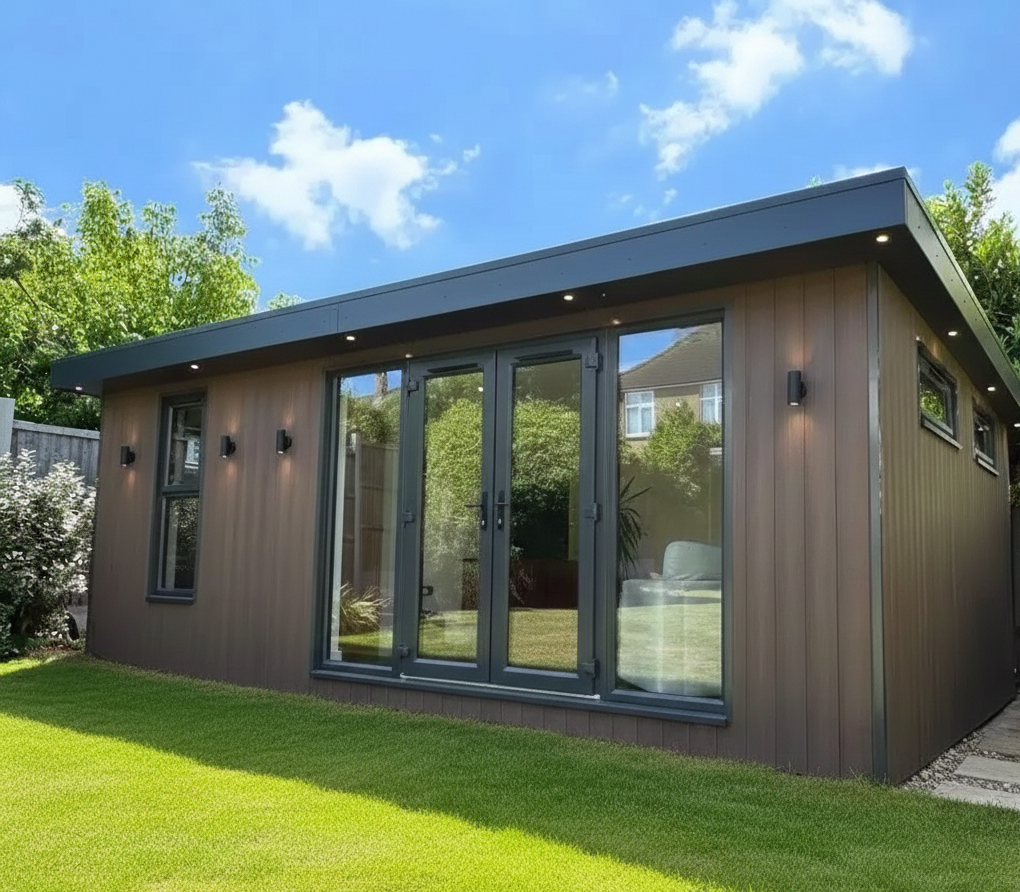
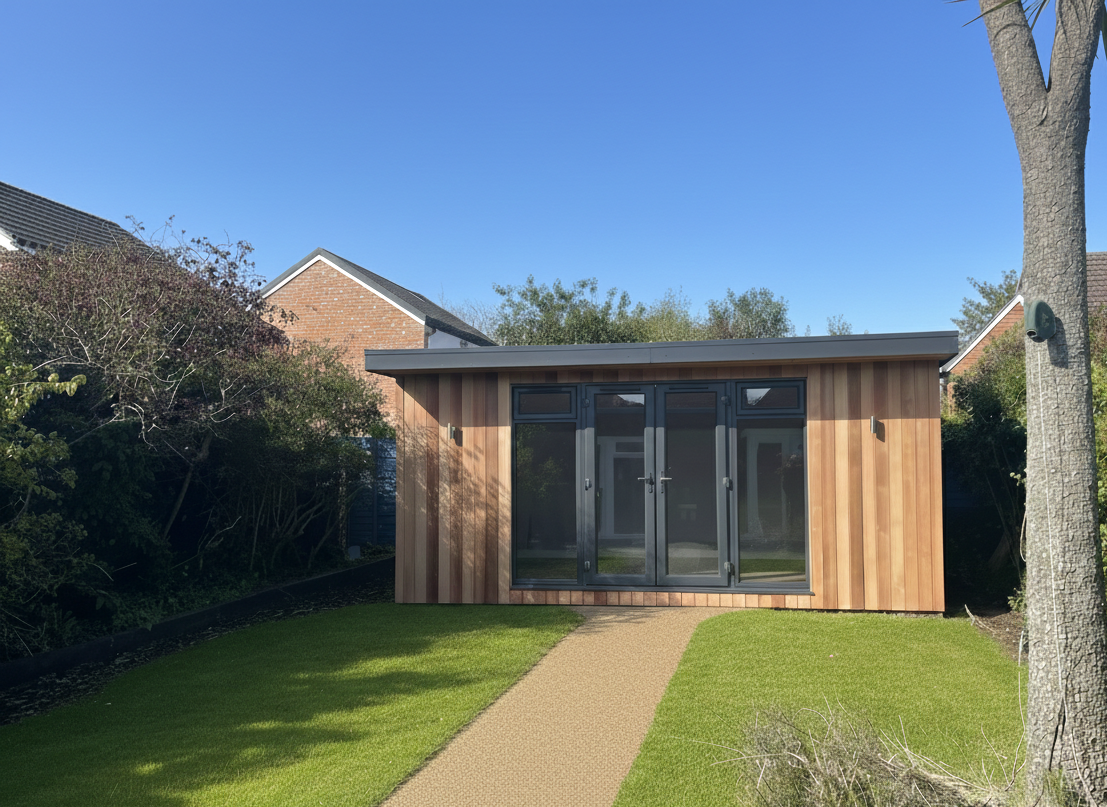
Every artist knows the struggle of working in a spare bedroom or corner of the living room. Paint splatters on the carpet become a constant worry. Your supplies take over shared spaces. Finding natural light at the right angle feels like a daily battle.
A dedicated garden studio changes everything for creative work.
Why Artists Need Separate Spaces
Making art is messy. It requires spreading out materials, leaving projects in progress, and having the freedom to experiment without worrying about the rest of the household. A garden studio room gives you permission to create without constraints.
Beyond the practical benefits, there’s something psychological about having a dedicated creative space. Walking into your studio signals to your brain that it’s time to make art. This mental shift helps many artists get into their creative flow more quickly.
Getting the Light Right
Lighting matters more for artists than almost any other garden room user. The direction, intensity, and quality of light affects how you see colours and shadows.
| Light Type | Best For | Considerations |
|---|---|---|
| North-facing windows | Painting, drawing, fine detail work | Consistent light throughout the day without direct sun |
| South-facing windows | General crafts, pottery | Bright but changes throughout the day |
| East-facing windows | Morning work sessions | Strong light in the morning, softer in the afternoon |
| West-facing windows | Afternoon and evening work | Gentle morning light, stronger in the afternoon |
| Roof windows or skylights | Sculpture, large-scale work | Overhead light reduces shadows |
North-facing windows have long been the choice of professional artists. The light stays even throughout the day, without the shifting warmth of direct sunlight that can change how colours appear. If your garden layout allows, positioning windows to the north makes a real difference.
For studios where north-facing windows aren’t possible, consider adding blinds or diffusing panels to soften direct sunlight.
Flooring That Can Handle Your Work
Standard carpet won’t last long in an art studio. Spills happen. Clay drops. Paint drips. Your flooring needs to cope with whatever your creative process throws at it.
Vinyl or laminate flooring works well for most artists. It’s easy to clean and doesn’t absorb liquids. For painters who prefer standing at an easel for hours, adding an anti-fatigue mat on top of hard flooring helps reduce leg and back strain.
Some artists prefer sealed concrete for its industrial look and extreme durability. Others add protective floor coverings that can be replaced when they become too stained.
Storage Solutions for Creative Supplies
Art materials have a habit of multiplying. What starts as a few brushes and tubes of paint quickly becomes shelves of supplies, stacks of canvases, and drawers full of tools.
Building storage into your garden room design from the start prevents clutter taking over. Consider vertical shelving that uses wall height rather than floor space. Deep drawers work better than shallow ones for bulky supplies. Clear containers let you see what you have without opening everything.
A designated drying area for wet canvases or freshly glazed pottery keeps work-in-progress safe while freeing up your main working surfaces.
Ventilation for Health and Safety
Many art materials produce fumes or particles that aren’t healthy to breathe in enclosed spaces. Oil paints, varnishes, spray fixatives, and clay dust all need proper ventilation.
The Health and Safety Executive provides guidance on workplace ventilation requirements. Even for hobby artists, following these principles protects your health.
At minimum, plan for windows that open wide enough to create cross-ventilation. For heavier use of solvents or spray products, consider an extraction fan that pulls air out of the studio.
Creating an Inspiring Environment
Beyond the practical requirements, your garden studio should inspire you to create. This might mean painting the walls in colours that energise your work, adding plants that bring life to the space, or leaving wall areas blank for pinning inspiration.
Many artists value being able to step back from their work to see it from a distance. This means leaving enough floor space to walk away from your easel or workbench without bumping into furniture.
The beauty of having your own dedicated studio is making it exactly what you need. No compromises with other household members. No worrying about whether your creative mess bothers anyone else. Just you and your art, in a space designed around how you actually work.