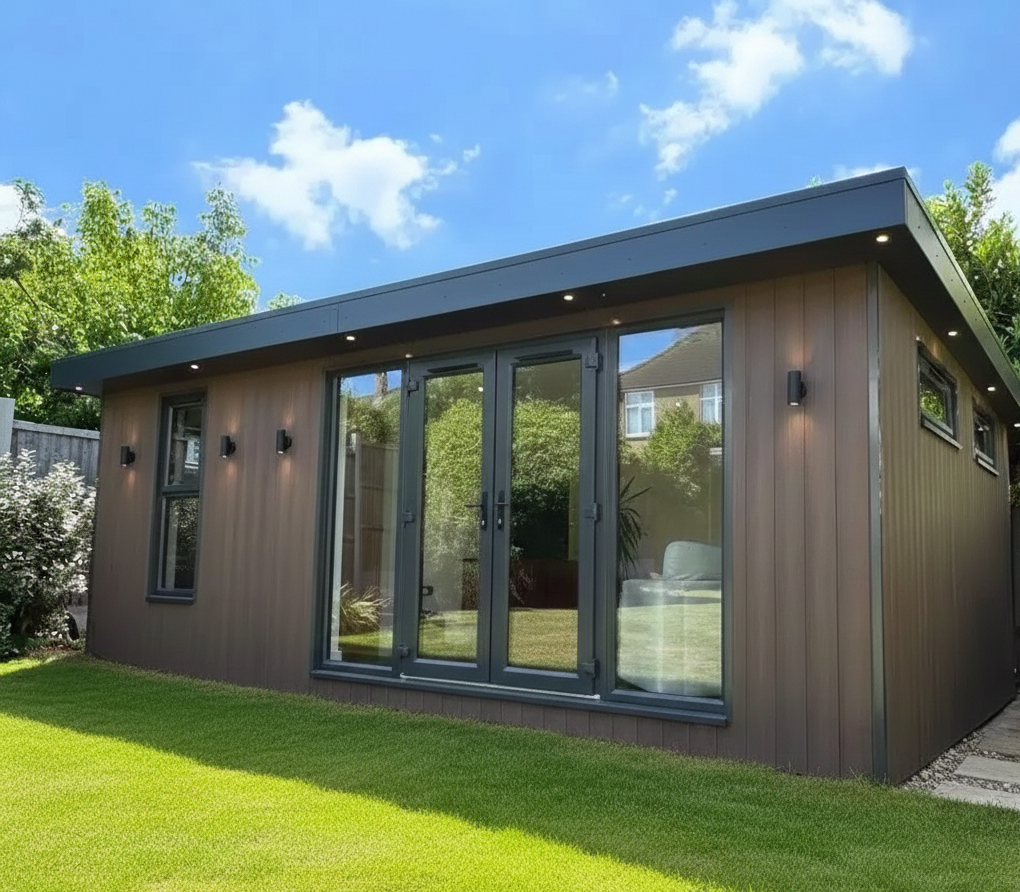
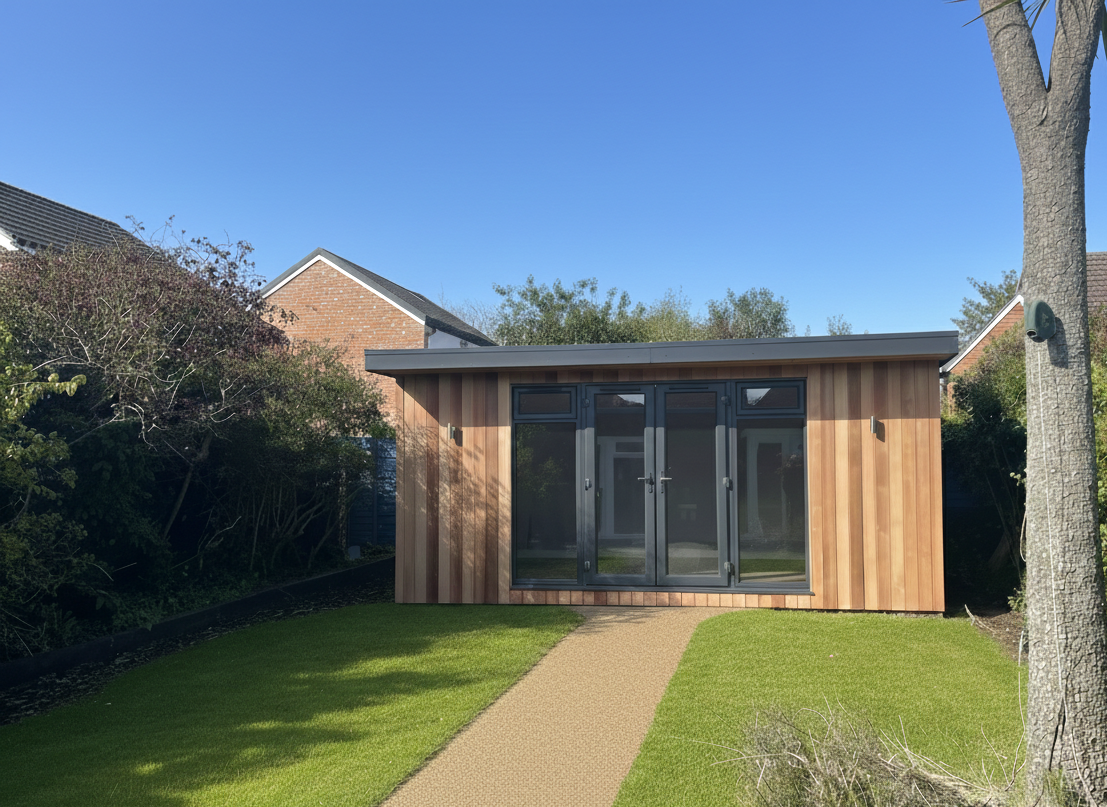
When you need extra space at home, you’ve got two main choices: build a garden studio or extend your house. Both options give you more room, but which one offers better value for your money? Let’s break down the costs, benefits, and practical considerations to help you make the right decision.
What’s the Real Cost?
Garden Studios: The Budget-Friendly Winner
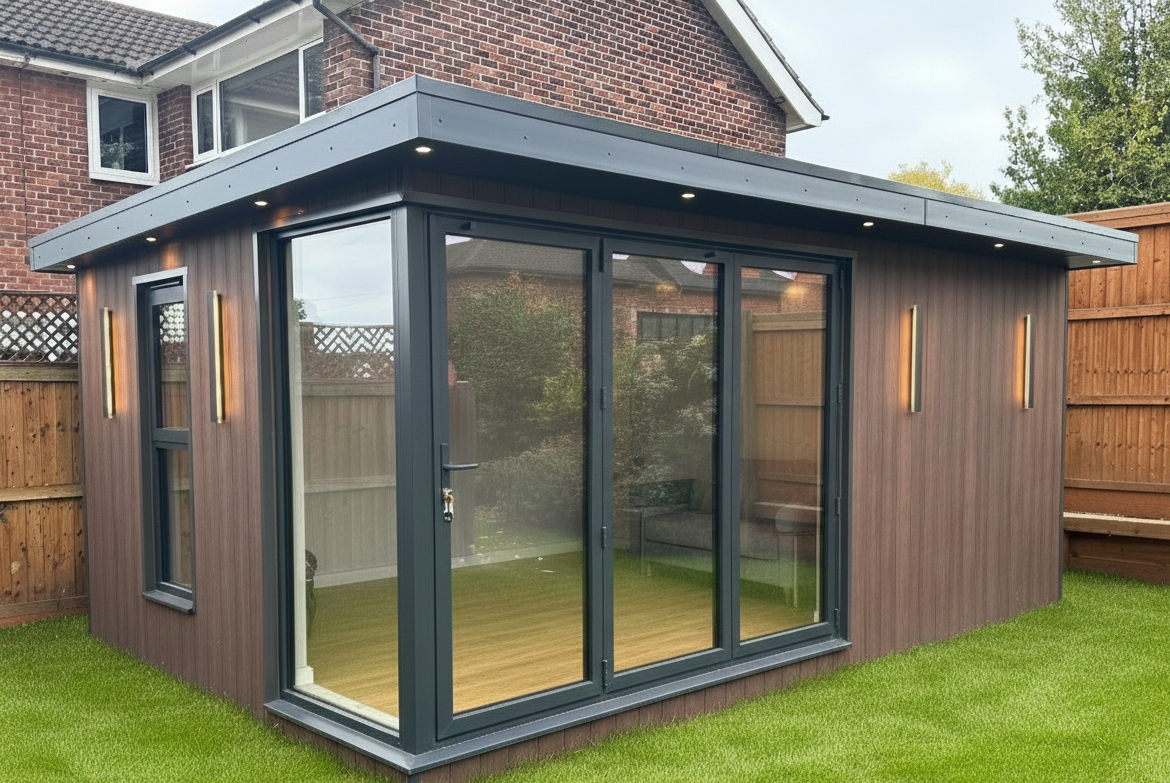
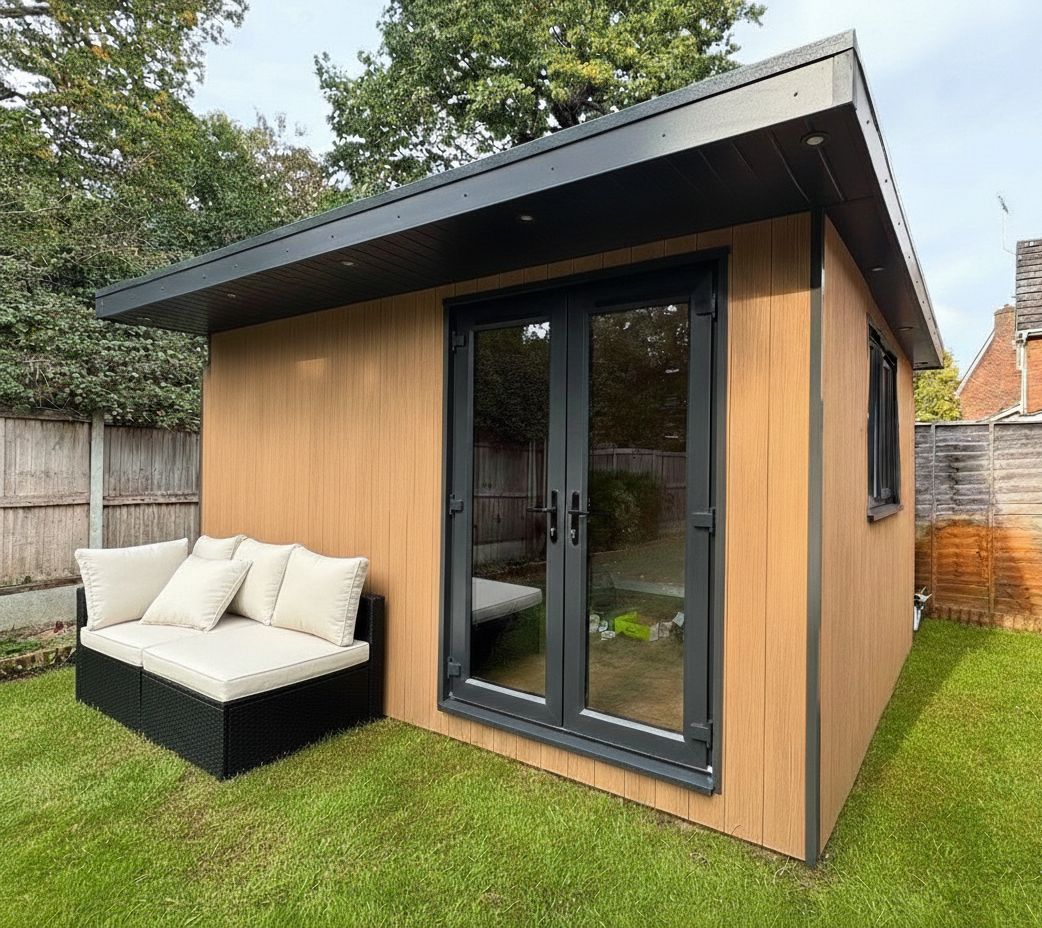
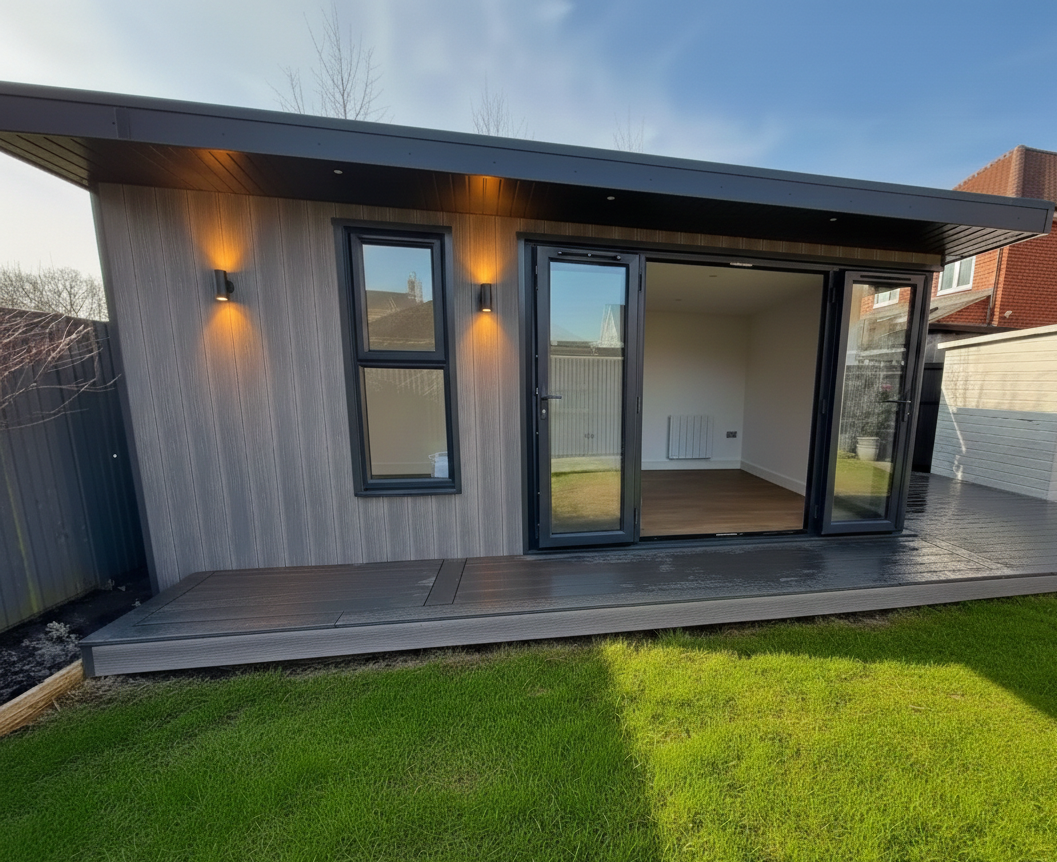
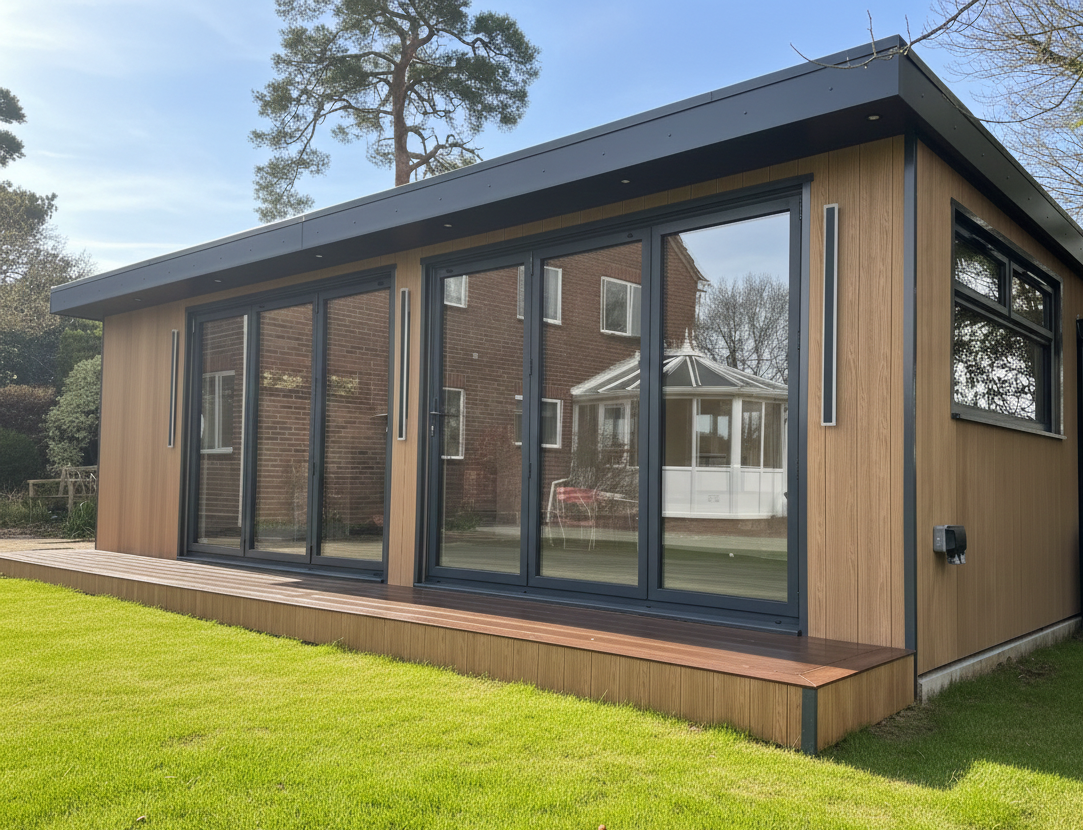
Garden studios typically cost between £15,000 and £40,000, depending on size and features. This might sound like a lot, but it’s actually much less expensive than most home extensions. You can get a high quality garden studio that’s ready to use in just a few weeks.
House Extensions: The Expensive Option
Single storey extension projects usually start around £25,000 for the smallest builds, but most cost between £40,000 and £80,000. A rear extension can easily reach £60,000, whilst side extensions often cost even more. Two-storey extensions can easily reach £100,000 or more. These costs include vat and all the extra expenses that come with building a home extension.
Loft conversion projects sit somewhere in the middle, typically costing £20,000-£50,000. However, extending your home downwards or outwards generally costs more than building upwards into existing roof space.
Planning Permission: A Major Difference
Garden Studios: Simple and Quick
Most garden studios don’t need planning permission if they follow permitted development rules. According to the UK Government’s Planning Portal, these buildings are considered permitted development as long as they meet specific size and placement requirements. This means:
- No lengthy planning applications
- No waiting months for approval
- No risk of rejection from neighbours or councils
- You can start building almost immediately
Garden rooms that stay under 2.5 metres high (when within 2 metres of your boundary) or under 4 metres high (when further away) usually qualify as permitted development.
House Extensions: Complex and Slow
Adding an extension to your home often requires full planning permission, especially for larger projects. Single storey extension projects might qualify for permitted development if they’re small enough, but most rear extension and side extensions need permission. The process can take 3-6 months and costs extra money. There’s always a risk your application might be rejected, which means starting over or hiring expensive planning consultants.
Building regulations also apply differently. When extending your home, you’ll need building regulations approval for most projects, adding more time and cost to the process.
Speed of Build
Garden studios win here too. Most can be built and finished in 2-4 weeks. House extensions typically take 3-6 months, sometimes longer if there are complications with building regulations or planning permission.
The faster timeline means less disruption to your daily life. You won’t have builders tramping through your house for months, and you can start using your new space much sooner. Your family routine stays normal whilst your insulated garden studio takes shape outside.
Adding Value to Your Property
Both options can add value to your home, but they work differently:
Garden Studios add immediate usable space and appeal to buyers looking for home offices, gyms, or hobby rooms. They’re especially popular since more people work from home. A high-quality garden studio can add £10,000-£25,000 to your property value.
House Extensions typically add more value pound-for-pound because they increase your house’s official floor area. A well-designed rear extension or single-storey extension might add £20,000-£50,000 in value. However, the higher upfront cost means your return on investment might be similar to a garden studio.
Open plan extensions tend to add more value than smaller, compartmented additions because they create that sought-after flowing living space that modern buyers love.
Flexibility and Future Use
Garden studios are incredibly flexible. You can easily change how you use the space – today’s home office can become tomorrow’s art studio or teenage den. Some garden studios can even be moved if you relocate.
House extensions are permanent additions that are harder to modify later. However, they integrate seamlessly with your existing home and can create beautiful open-plan living areas.
Building Standards and Quality
Building Regulations Compliance
Both garden studios and home extensions must meet building regulations, but the requirements differ. Garden rooms under 15 square metres typically don’t need building regulations approval, whilst larger insulated garden buildings and all home extensions do.
High-quality garden studios use modern insulation techniques and double-glazed windows to meet energy efficiency standards. The best builders ensure your garden studio is warm in winter and cool in summer, just like any extension to your home.
Construction Quality
When building a home extension, you’re dealing with connecting new work to existing structures. This can be complex and expensive, especially if your house has unusual features or older construction methods.
Garden studios are standalone buildings, which means construction is more straightforward. You can focus on getting exactly what you want without worrying about matching existing roof lines or dealing with structural complications.
Running Costs and Maintenance
Both options have ongoing costs, but garden studios often have the edge:
- Heating and cooling: Modern garden studios use excellent insulation and double-glazed units, making them very energy-efficient
- Maintenance: Separate buildings are easier to maintain and repair
- Insurance: Usually covered under your existing home insurance with minimal cost increase
House extensions might slightly increase your council tax band, while garden studios typically don’t affect your tax bill at all.
Space and Functionality
Garden Studios: Dedicated Purpose
A garden studio gives you a completely separate space from your main house. This is perfect for:
- Home offices where you need quiet and focus
- Creative spaces for hobbies
- Exercise rooms and home gyms
- Entertainment areas for teenagers or guests
The separation helps you switch off from work or really concentrate on activities without household distractions.
House Extensions: Integrated Living
Home extensions work better when you need:
- Extra bedrooms or bathrooms
- Larger kitchens or dining areas
- Open plan living spaces that flow into existing rooms
- Ground-floor accommodation for elderly relatives
Extensions integrate with your existing home, making the whole property feel larger and more connected.
Which Situations Favour Each Option?
Choose a Garden Studio If:
- You need space quickly
- Your budget is under £40,000
- You want a dedicated workspace separate from the house
- Planning permission for extensions is difficult in your area
- You might move house in the next 10 years
- You need a quiet space for work or hobbies
Choose a House Extension If:
- You need a kitchen or bathroom space
- You want to increase your home’s official size
- You have a larger budget (£50,000+)
- You’re planning to stay in your current home long-term
- You need the space to connect directly to existing rooms
- You want open-plan living areas
Practical Considerations
Garden Studios: Quick Wins
- No dust and mess inside your house during construction
- Can be used immediately once finished
- Easy to heat and cool efficiently
- Perfect for working from home
- Great for noisy activities that might disturb the household
House Extensions: Long-term Investment
- Increases the official floor space of your home
- Better for essential living spaces like kitchens and bathrooms
- Creates seamless flow between old and new areas
- Might be required if your house is too small for your family’s basic needs
The Verdict: Garden Studios Offer Better Value
For most families, garden studios provide better value for money. They cost less, build faster, and give you flexible extra space that adapts to your changing needs.
The lower upfront cost means you can afford higher-quality finishes and features. You might even have money left over for landscaping or other home improvements.
House extensions make sense when you specifically need an integrated living space or have a large budget. But for offices, studios, gyms, or hobby rooms, garden studios are hard to beat.
A high-quality garden studio gives you professional-grade space without the complexity of extending your home. You get double-glazed comfort, proper insulation, and a building that’s designed specifically for your needs.
Making Your Decision
Think about what you really need the space for and how long you’ll use it. Consider your budget, timeline, and whether you want the new space connected to your house or separate from it.
If you need extra space quickly and don’t want months of building work disrupting your home, a garden studio is probably your best bet. If you need more bedrooms, bathrooms, or want to create flowing open plan areas, then extending your home might be worth the extra cost and complexity.
Remember, both options can add value to your home and improve your quality of life. The best choice depends on your specific situation, but garden studios offer excellent value for most people looking to add functional extra space to their property.
Ready to explore your options? Contact Essex Garden Studios today to discuss how a bespoke garden studio could transform your outdoor space into something extraordinary.