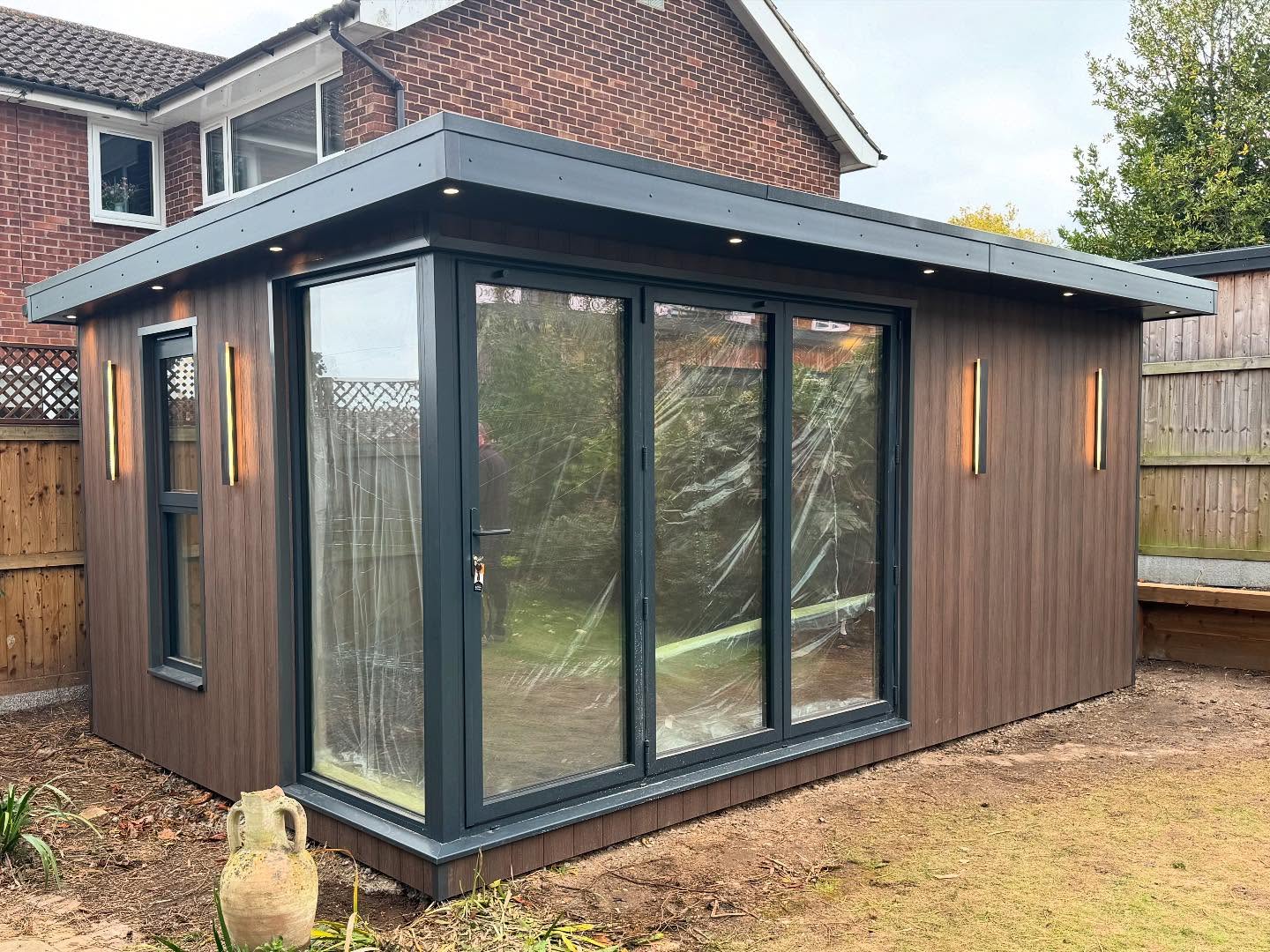
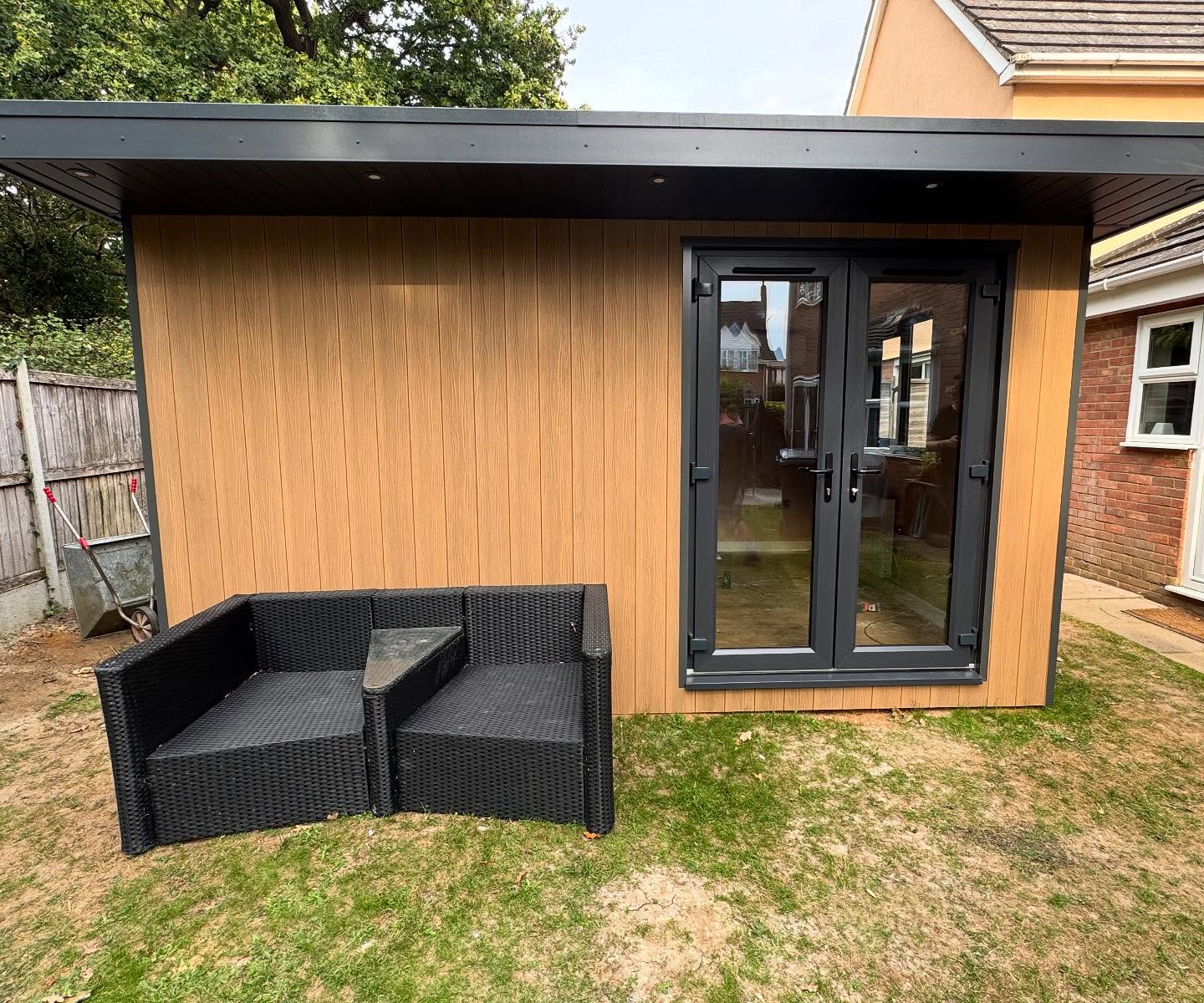
A properly insulated garden office should stay comfortable year-round, but you’ll still need heating during colder months. Choosing the right heating system affects your comfort, your energy bills, and how quickly your office warms up on chilly mornings.
Understanding your options helps you pick the best solution for your insulated garden room.
Why Insulation Matters for Heating
Before comparing heating systems, it’s worth understanding what good insulation does for you. A well-insulated garden office holds heat much more effectively than a basic garden building. This means you need less heating power to maintain a comfortable temperature, and the warmth stays longer once you’ve heated the space.
Poorly insulated buildings lose heat through walls, roof, floor, and windows. You end up paying to heat the garden rather than your office. With proper insulation, more of your heating energy goes where it’s needed.
Comparing Heating Options
Each heating type has advantages and drawbacks. The best choice depends on how you use your garden office and what matters most to you.
| Heating Type | Initial Cost | Running Cost | Heat-Up Speed | Summer Use | Maintenance |
|---|---|---|---|---|---|
| Electric panel radiators | Low (£80-200 per unit) | Medium | Fast | None | Almost none |
| Electric oil-filled radiators | Low (£60-150 per unit) | Medium | Slower | None | Almost none |
| Air conditioning with heat pump | Medium (£400-1000 installed) | Lower | Fast | Cooling too | Filter cleaning |
| Underfloor heating | High (£50-80 per sqm installed) | Lower when running | Very slow | None | Almost none |
| Infrared panels | Medium (£150-400 per panel) | Lower | Very fast | None | Almost none |
Electric Panel Radiators
These are the most common choice for garden offices. They’re affordable to buy, simple to install, and heat up quickly when you arrive at your desk.
Modern electric radiators come with timers and thermostats, so you can set them to warm your office before you start work. Digital controls help you maintain a steady temperature without wasting energy.
The downside is running costs. Electricity costs more than gas per unit of energy, though this matters less in a well-insulated space that doesn’t need much power to stay warm.
Oil-Filled Radiators
These work like traditional radiators, heating oil inside the unit which then radiates warmth. They take longer to heat up but hold their temperature well, continuing to warm the room even after switching off.
For offices where you work regular hours, oil-filled radiators provide steady, comfortable heat. They’re less suitable if you pop in and out during the day and need instant warmth.
Air Conditioning Units
Air conditioning that includes a heat pump function offers heating and cooling in one system. The heat pump technology is more efficient than standard electric heating, which means lower running costs over time.
The Energy Saving Trust explains how air-to-air heat pumps work and their potential savings. In a well-insulated garden office, a small unit can handle both summer cooling and winter heating.
The higher upfront cost balances against lower running costs, especially if you’ll also use the cooling function in summer. Installation requires professional fitting and ideally should be planned during the build phase.
Underfloor Heating
Electric underfloor heating provides an even, comfortable warmth across the whole floor. There are no radiators taking up wall space, and the heat distribution feels pleasant underfoot.
However, underfloor systems take a long time to warm up. They work best when left running at low levels rather than turned on and off. This makes them less suitable for occasional use but ideal if you work in your garden office every day.
Installation needs to happen during construction or requires lifting existing flooring. It’s much harder to add afterwards.
Infrared Heating Panels
Infrared panels heat objects and people directly rather than warming the air. They heat up almost instantly and can be mounted on walls or ceilings.
Some users find infrared heating very comfortable because it mimics how the sun warms you. Others prefer the more familiar feeling of conventional heating. The panels are discreet and need no maintenance beyond occasional dusting.
Matching Heating to Your Usage
Think about how you actually use your garden office before choosing heating.
If you work regular hours five days a week, efficiency matters most. Underfloor heating or an air conditioning heat pump will cost less to run over time despite higher installation costs.
If you use your office occasionally or unpredictably, you need fast heating. Electric panel radiators or infrared panels warm up quickly and don’t waste energy heating an empty room.
For those who suffer in summer heat as well as winter cold, an air conditioning unit makes sense. You solve two problems with one installation.
Reducing Heating Costs
Whatever system you choose, good habits reduce your bills. Use timers so heating only runs when needed. Don’t overheat the space. Close doors and windows when heating is on.
Check your garden room’s insulation meets modern standards. Better insulation means lower heating costs whatever system you use. The initial investment in quality insulation pays back through years of reduced energy bills.
Consider adding a smart thermostat that learns your schedule and adjusts heating automatically. These small investments often pay for themselves within a year through energy savings.