To help you purchase from ESSEX GARDEN STUDIOS LTD, we have partnered with Kandoo, a regulated credit broker to offer all our customers a range of highly flexible finance options.
Kandoo is a comparison service that searches to find you the best Personal Loan option that’s right for you.
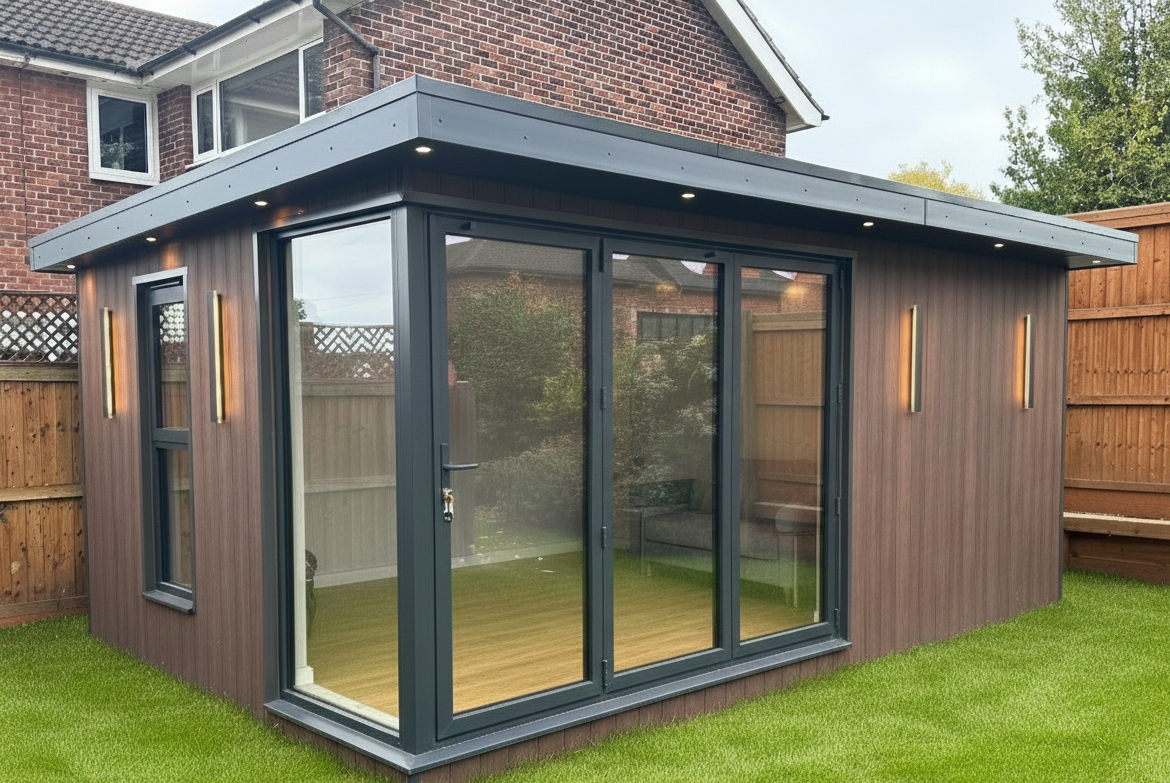
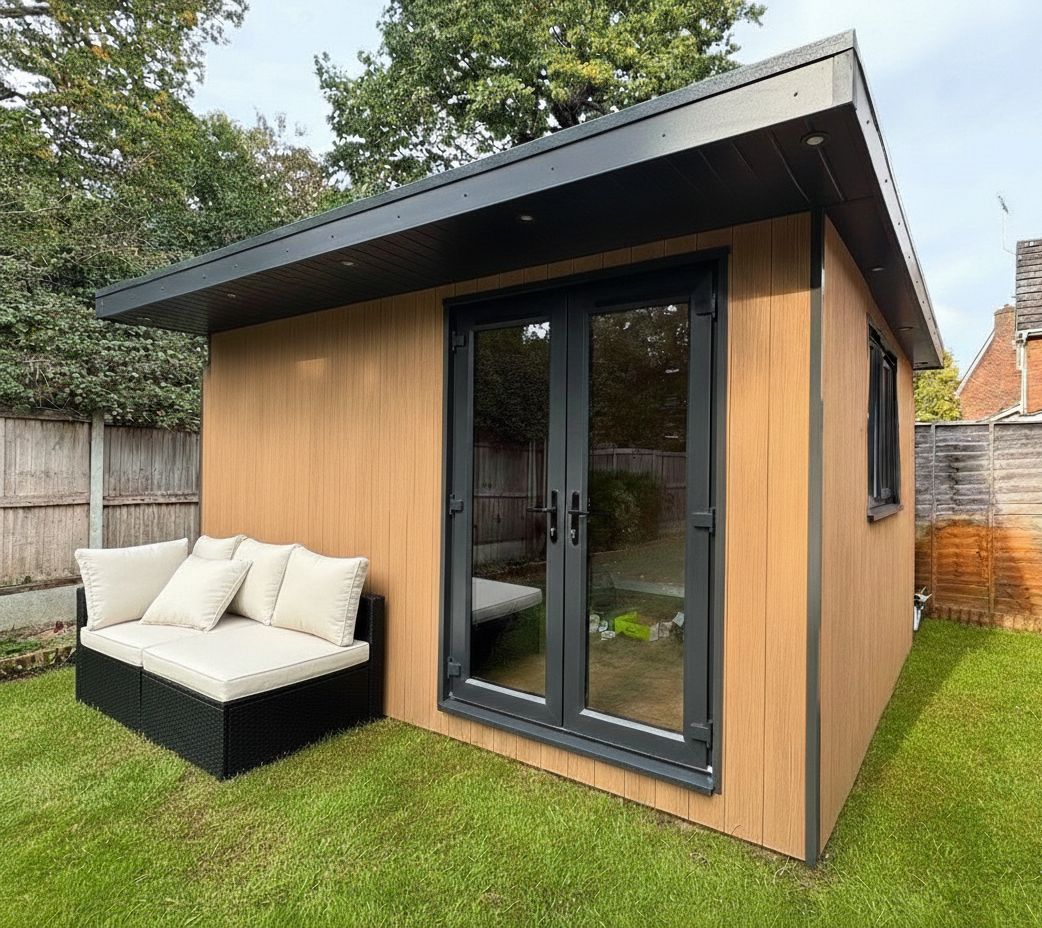
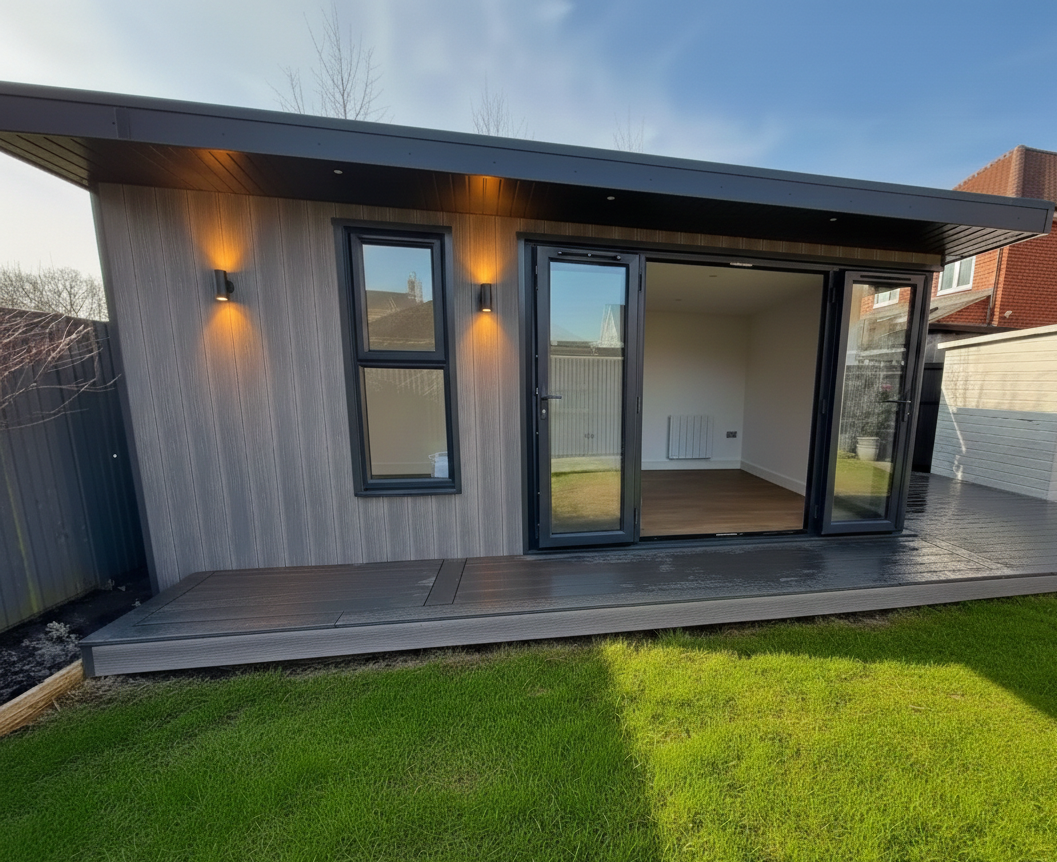
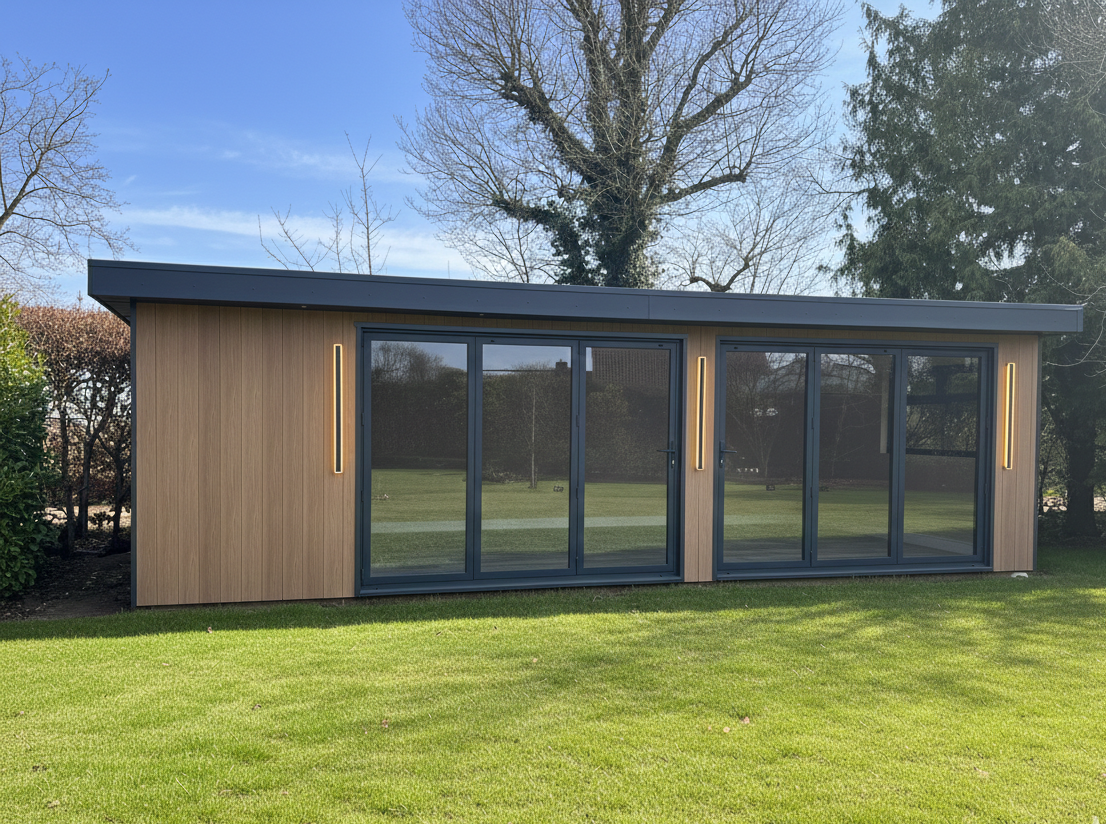
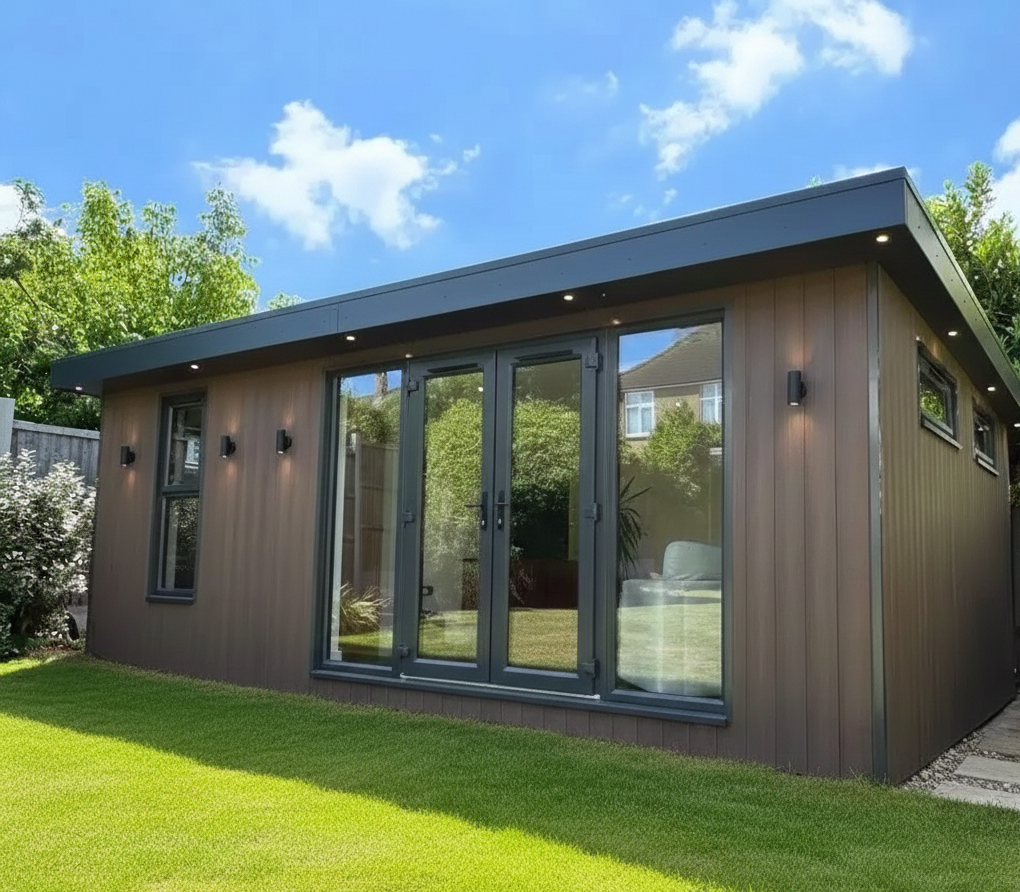
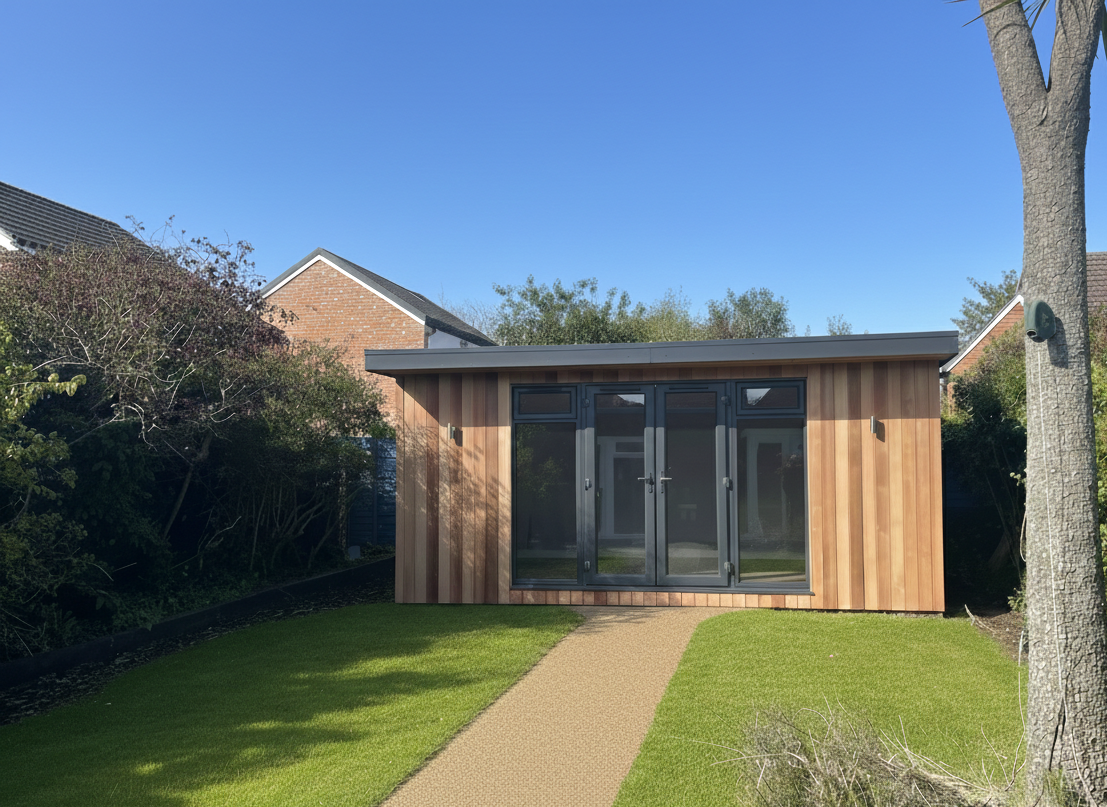
Working from home has changed how millions of people think about their workspace. A garden office room offers something that spare bedrooms and kitchen tables cannot provide: a dedicated, professional space that separates your working day from your home life. This guide covers everything you need to know about creating the perfect garden office, from first ideas through to setting up your workspace.
Why Choose a Garden Office Room?
The biggest advantage of a garden office room is the physical distance it creates between work and home. When you step outside and walk to your office, your brain recognises this as the start of your working day. When you lock up and walk back to your house, you can truly switch off.
This separation has real benefits for your mental health and productivity. People who work from dedicated office spaces report better focus during working hours and find it easier to relax when the day is done.
A well-designed garden office typically adds between 5% and 15% to property values across Essex and Suffolk. Estate agents report that homes with quality garden buildings sell faster and attract more interest, particularly in areas where flexible working is valued.
Year-Round Use: Insulation and Winter Working
One of the most common questions is whether a garden office can really work throughout the British winter. The answer is yes, but only if it is built properly.
The Importance of Proper Insulation
An insulated garden office is completely different from an uninsulated garden building. Quality garden offices feature insulation in the walls, floor, and roof, typically using 100mm to 150mm of high-performance materials. This keeps warmth inside during winter and prevents overheating in summer.
Good insulation also prevents condensation. In a poorly insulated building, warm air meets cold walls and creates moisture, leading to damp problems and mould. Properly insulated spaces maintain stable temperatures and stay dry.
Double-glazed windows and doors with low-emissivity coatings provide excellent thermal performance while letting in plenty of natural light. Good ventilation systems keep air fresh without creating draughts or losing heat.
Heating Your Garden Office
Choosing the right heating system is essential for comfort and keeping running costs reasonable. For detailed information, see our guide to heating your garden office.
Heating Options Comparison
Heating Type
Purchase Cost
Running Cost per Hour
Best For
Electric Panel Heater
£50 – £200
15p – 30p
Daily use, simple installation
Infrared Panel
£150 – £400
10p – 20p
Efficient heating, modern look
Air Source Heat Pump
£500 – £1,500
8p – 15p
Daily use, lowest running costs
Underfloor Heating
£200 – £600
12p – 25p
New builds, even warmth
Electric Panel Heaters are the most common choice – simple to install, safe, and silent with built-in thermostats.
Infrared Heating Panels are highly efficient, heating objects and people directly rather than warming the air.
Air Source Heat Pumps offer the lowest running costs because they move heat rather than generate it. They also provide cooling in summer.
Underfloor Heating provides even, comfortable warmth but must be installed during construction.
According to the Energy Saving Trust, good insulation is the foundation of low heating bills. Using a thermostat and timing your heating to warm the office just before you arrive also reduces costs significantly.
Productivity and Work-Life Balance Benefits
A garden office does more than give you somewhere to work. It can genuinely improve how you work and how you feel about your job.
Eliminating the Commute
The average UK commute takes around 30 minutes each way. Working from a garden office saves this time entirely, giving you an extra hour every working day – roughly 250 hours a year that you can spend on things that matter to you.
Creating Mental Boundaries
When your office is physically separate from your home, your brain creates clearer boundaries between work mode and home mode. During work hours, you are less likely to be distracted by household tasks. When you finish work, you can leave your tasks behind rather than having them visible all evening.
Fewer Distractions
Home offices inside the house come with constant interruptions – family members, doorbells, household noise. A garden office removes these distractions almost entirely, allowing you to concentrate properly on demanding work.
Connection with Nature
Working with views of your garden has proven benefits for mental wellbeing and creativity. Natural light helps regulate your body clock and improves mood. Even brief glimpses of greenery throughout the day can reduce stress.
Storage and Space Optimisation
Making the most of your garden office space requires thoughtful planning.
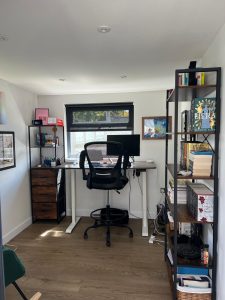
Think Vertically: Wall-mounted shelving and storage units keep floor space clear. Pegboards keep frequently used items visible and accessible.
Choose Multi-Functional Furniture: A desk with built-in drawers provides storage without taking up additional floor space. Filing cabinets that double as printer stands make efficient use of every square metre.
Built-In Storage: The most efficient storage solutions are planned during the design phase. Built-in cupboards and fitted shelving maximise space without cluttering the room.
Separate Storage Zones: Some garden offices include a separate storage section to keep tools, archives, and bulky items out of your working area while remaining conveniently accessible.
Building Regulations and Planning Permission
Understanding the rules helps you plan properly. Most garden offices do not require planning permission, but there are specific requirements to be aware of. For complete details, see our guide to building regulations for garden offices.
Building Regulations Summary
Under 15 Square Metres: Building regulations will not normally apply if no one will sleep in the building.
Between 15 and 30 Square Metres: Building regulations will not normally apply if no one will sleep in the building, and either it is at least one metre from any boundary or built from non-combustible materials.
Over 30 Square Metres: Full building regulations compliance is always required.
Important: Electrical work must always comply with Part P of the Building Regulations, requiring a qualified electrician to complete and certify all installations.
Small Offices (2.5m x 2.5m to 3m x 2.5m): Single desk, chair, and storage. Perfect for occasional use or smaller gardens.
Medium Offices (3m x 4m to 4m x 3m): Larger desk setup, additional seating, and substantial storage. Good for daily use by one person.
Large Offices (4m x 5m to 5m x 4m): Multiple workstations, meeting area, and extensive storage. Suitable for small teams.
Layout Tips
Position your desk perpendicular to the main window to avoid screen glare while benefiting from natural light. Plan electrical outlets based on where your equipment will actually sit. Consider where you will take video calls and ensure the background looks professional.
The Installation Process
Design and Planning (2 to 4 weeks): Site survey, design finalisation, and any planning applications.
Manufacturing (4 to 8 weeks): Your garden office is built to exact specifications in a controlled workshop environment.
Installation (1 to 2 weeks): Foundation preparation, structure assembly, electrical work, and internal finishes.
Setup and Handover: Furniture installation, technology setup, walkthrough, and documentation handover.
Investment and Return
Entry Level (£15,000 to £20,000): Smaller insulated garden offices with standard electrical installation.
Mid-Range (£20,000 to £35,000): Larger offices with comprehensive electrical systems and quality finishes.
Premium (£35,000 and above): Executive-sized offices with high-specification materials and luxury finishes.
Garden offices typically deliver returns through increased property value (5% to 15% uplift), potential tax benefits for business users, commuting cost savings, and improved productivity and wellbeing.
Creating the perfect garden office takes careful planning, but the result is a workspace that improves your productivity, protects your work-life balance, and adds lasting value to your home.
Start by assessing your requirements: how much space do you need, what is your budget, and when do you want to be working in your new office? Evaluate your garden space, research suppliers, and work with your chosen company on design development.
A well-designed garden office room genuinely changes how you work. The combination of dedicated professional space, separation from home distractions, and connection with your garden creates an environment where you can do your best work whilst maintaining balance between professional and personal life.
We pride ourselves on the outstanding customer service that we are able to offer our clients.
We approach every aspect of the design and building of our garden studios with care and attention to detail, and we will always make sure that you are totally happy.
We want your garden studio to be a space that you can enjoy for years to come, and that’s why we make every effort to ensure your total satisfaction.
To help you purchase from ESSEX GARDEN STUDIOS LTD, we have partnered with Kandoo, a regulated credit broker to offer all our customers a range of highly flexible finance options.
Kandoo is a comparison service that searches to find you the best Personal Loan option that’s right for you.