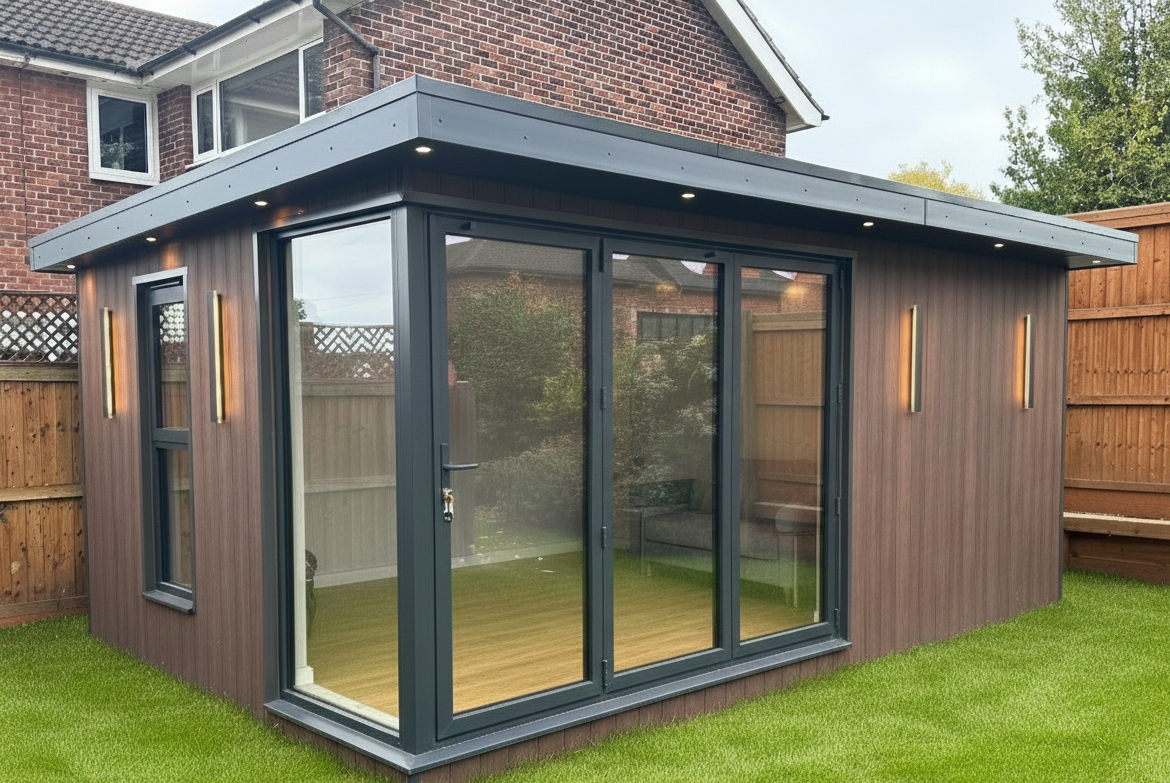
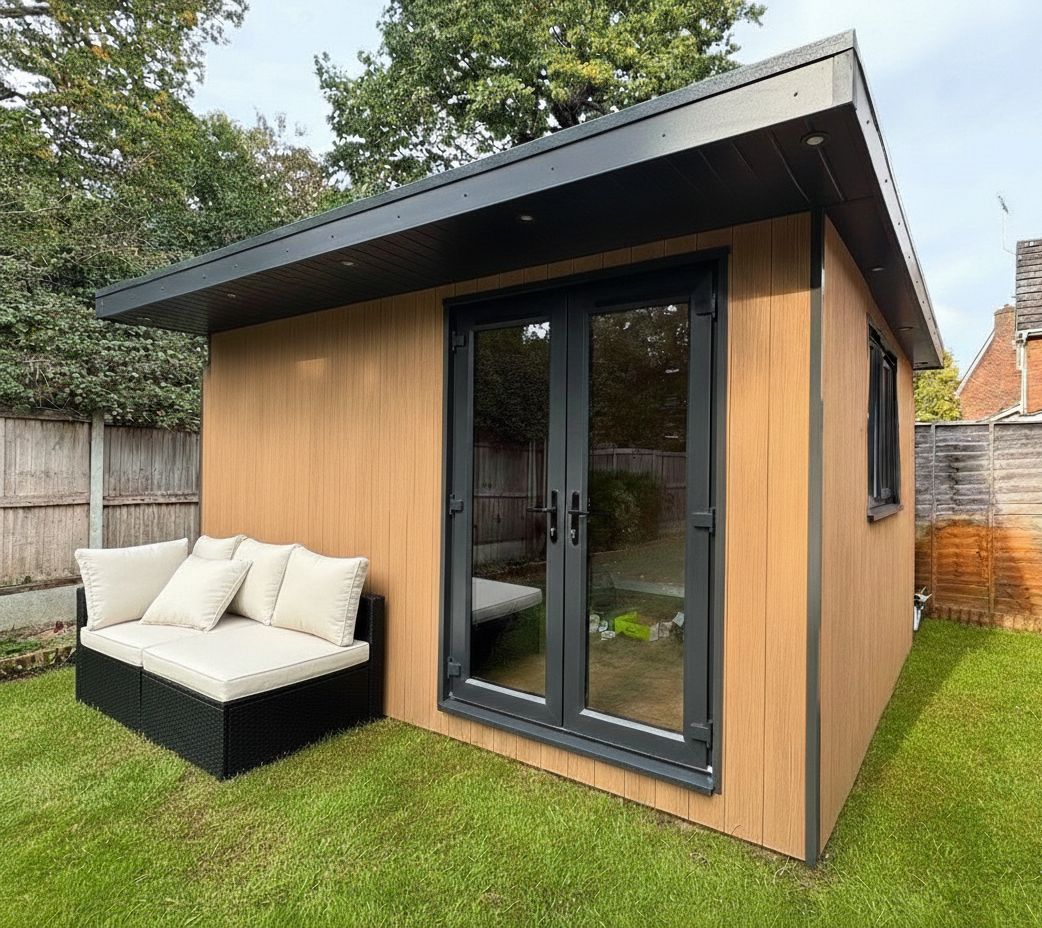
Working from a garden office has become incredibly popular, but staying warm during the colder months is essential for comfort and productivity. When you heat your garden office properly, you create a workspace that’s comfortable all year round. The right heating system makes all the difference between a cosy workspace and a chilly room you want to avoid.
Modern insulated garden rooms are built to high standards and designed for year-round use. However, you still need to choose from a wide range of heating solutions to keep your space comfortable. Let’s explore the best heating options available, so you can make an informed choice that suits your needs and budget.
Why Proper Heating Matters
When you’re working from home, comfort isn’t a luxury – it’s essential for getting things done. A cold workspace affects your concentration and makes you want to rush back indoors. The right heating systems also protect your equipment. Computers and electronics work best at normal room temperatures.
Understanding Your Heating Needs
Before choosing how to heat your garden office, think about these factors:
How often will you use it? Daily users need different heating solutions than occasional users.
What’s your budget? Consider both upfront costs and ongoing running costs.
How big is your space? A small office needs less heating power than a larger studio.
What power do you have? Most garden offices have electricity. Some properties also have access to mains gas or liquid petroleum gas (LPG).
Types of Heating for Your Garden Office
Here are the most popular and cost-effective heating solutions:
1. Electric Panel Heaters
Electric panel heaters are slim, wall-mounted units that provide steady warmth.
How they work: These heaters use electricity to warm up a metal panel, which radiates heat into the room.
Pros:
- Easy to install
- Clean and safe
- Many models include thermostats
- Silent operation
Cons:
- Higher running costs than some alternatives
- Takes time to heat from cold
Best for: Daily users who want a simple, reliable option.
Typical cost: £50-£200 to buy, plus 15-30p per hour to run.
2. Infrared Heating Panels
Infrared panels are energy efficient and increasingly popular for insulated garden rooms.
How they work: These heat objects and people directly, like the sun, rather than warming the air.
Pros:
- Very energy efficient
- Instant warmth
- Sleek, modern designs
- Silent with no moving parts
Cons:
- Higher upfront cost
- Only warm the area they face
Best for: Anyone wanting eco-friendly, efficient heating.
Typical cost: £150-£400 to buy, plus 10-20p per hour to run.
3. Air Source Heat Pumps
Air source heat pumps are among the most energy-efficient options available.
How they work: These extract heat from outside air and pump it indoors. They’re incredibly efficient because they move heat rather than generate it.
Pros:
- Extremely energy efficient (3 times more efficient than standard electric heaters)
- Provides both heating and cooling
- Lower running costs
- Good temperature control
Cons:
- High upfront installation cost (£500-£1,500)
- Requires professional installation
- Needs an outdoor unit
Best for: Daily users in a garden office who want the lowest running costs.
Typical cost: £500-£1,500 to install, plus 8-15p per hour to run.
4. Underfloor Heating
Electric underfloor heating provides comfortable, even warmth throughout your space.
How it works: Electric heating cables are laid under your floor covering during construction.
Pros:
- Even heat distribution
- No radiators taking up space
- Comfortable warm floor
- Energy efficient once warmed up
- Silent operation
Cons:
- Must be installed during construction
- Expensive to install
- Slow to warm up from the cold
Best for: New garden office builds where it can be planned from the start.
Typical cost: £200-£600 to install, plus 12-25p per hour to run.
5. Wood Burning Stoves
For a traditional feel, wood-burning stoves create a cosy atmosphere whilst providing effective heat.
How they work: Burn seasoned wood or smokeless fuel to generate warmth.
Pros:
- Creates a pleasant atmosphere
- Independent of electricity
- It can be cost-effective if you have access to cheap fuel
- Provides hot water with some models
Cons:
- Requires chimney or flue installation
- Needs fuel storage space
- Regular maintenance and cleaning
- Not suitable for small spaces
Best for: Larger garden offices with adequate ventilation and those who enjoy the traditional feel.
Typical cost: £400-£1,500 to buy and install, plus fuel costs.
Other Heating Options
Beyond these main choices, other options include connecting to your home’s central heating system with an extension (if your garden office is close enough), using gas boilers (if you have mains gas or liquid petroleum gas LPG supply), or installing oil-filled radiators for portable warmth.
Heating Options Comparison Table
| Heating Type | Upfront Cost | Running Cost (per hour) | Installation | Best For | Energy Efficiency |
|---|---|---|---|---|---|
| Electric Panel Heater | £50-£200 | 15-30p | Easy (DIY) | Daily users | Medium |
| Infrared Panel | £150-£400 | 10-20p | Easy (DIY) | Efficient heating | High |
| Air Source Heat Pump | £500-£1,500 | 8-15p | Professional | Daily users | Very High |
| Underfloor Heating | £200-£600 | 12-25p | Professional | New builds | High |
| Wood Burning Stove | £400-£1,500 | Variable | Professional | Large spaces | Medium |
| Oil-Filled Radiator | £40-£120 | 20-35p | None (portable) | Occasional use | Medium |
Note: Running costs are estimates based on typical UK electricity rates and will vary depending on your energy tariff and usage patterns.
Tips to Reduce Your Heating Costs
Whatever heating system you choose, these tips will help you keep running costs down:
Improve insulation – Good insulation is the foundation of an energy-efficient space. Make sure your garden office has proper wall, floor and roof insulation. According to the Energy Saving Trust, improving insulation is one of the most effective ways to reduce heating costs.
Use a thermostat – A thermostat automatically switches your heating off when the room reaches your target temperature. This prevents wasted energy and keeps you comfortable. Aim for around 18-21°C, which is comfortable for most people.
Time your heating – If you work regular hours, use a timer to warm your office just before you arrive. There’s no point heating an empty room all day.
Block draughts – Check around doors and windows for gaps where cold air sneaks in. Simple draught excluders can make a surprising difference.
Consider your windows – Double glazing makes a huge difference to heat retention. If your garden office has single-glazed windows, upgrading them could save more on heating costs than switching to a different heater.
Use curtains or blinds – Closing curtains or blinds at dusk traps heat inside. Thermal-lined curtains work even better.
Making Your Final Decision
The best heating option for your garden office depends on your specific situation. Here’s a quick guide:
Choose air conditioning (heat pumps) if:
- You use your office daily
- You can afford the upfront cost
- You want the lowest running costs
- You’d benefit from cooling in summer, too
Choose infrared panels if:
- You want modern, efficient heating
- You like the sleek appearance
- You’re happy to pay more initially for lower running costs
Choose electric panel heaters if:
- You want something simple and reliable
- You use your office regularly
- You want easy DIY installation
Choose oil-filled radiators if:
- You use your office occasionally
- You want a portable solution
- You’re on a tight budget for the purchase
Avoid fan heaters for regular use – they’re expensive to run and noisy. Keep them only as backup heating.
Conclusion
Heating your garden office doesn’t need to be complicated or expensive. The key is matching the right heating system to how you use your space.
For most people using their garden office daily, either an air conditioning unit (if budget allows) or infrared heating panels offer the best combination of comfort, efficiency and running costs. If you’re on a tighter budget, electric panel heaters provide reliable warmth without the high installation costs.
Remember that good insulation is just as important as your choice of heater. Even the most efficient heating system will struggle in a poorly insulated space. When you invest in a well-built, properly insulated garden office, you’ll find it much easier and cheaper to keep warm throughout the year.
Whatever heating option you choose, make sure it’s properly sized for your space, installed safely, and used efficiently. With the right setup, your garden office will be a comfortable, productive space in any season.