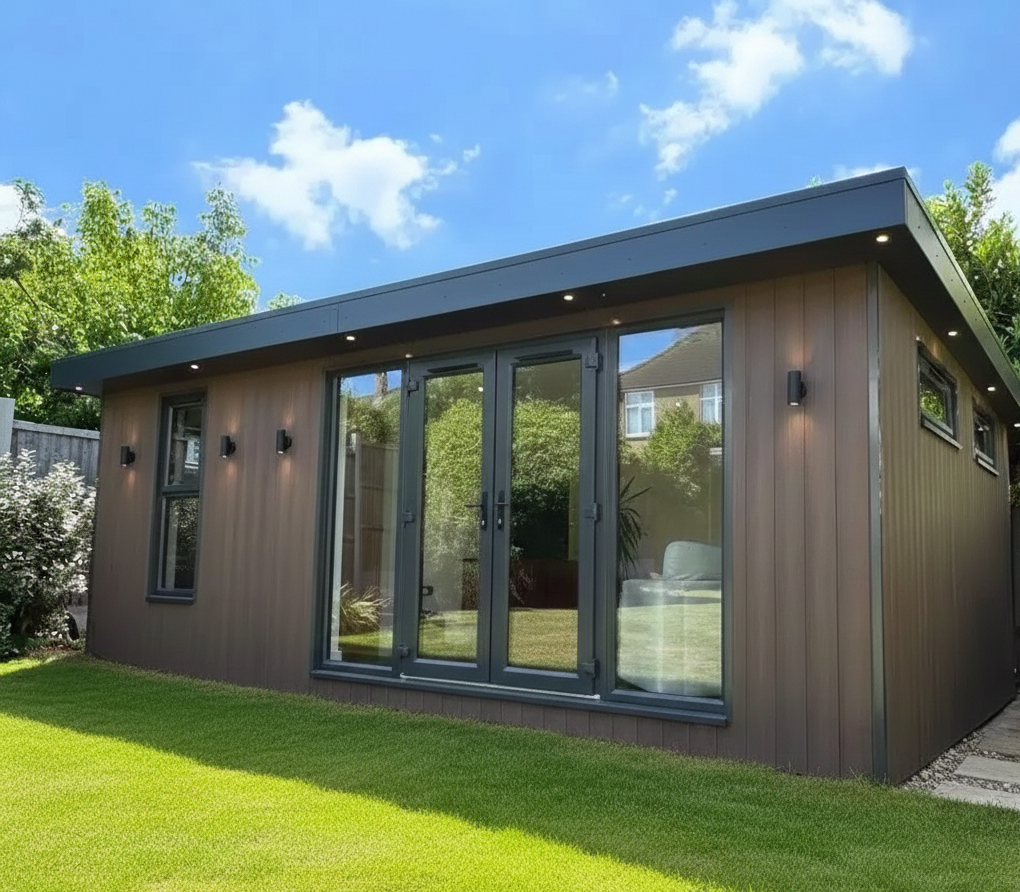
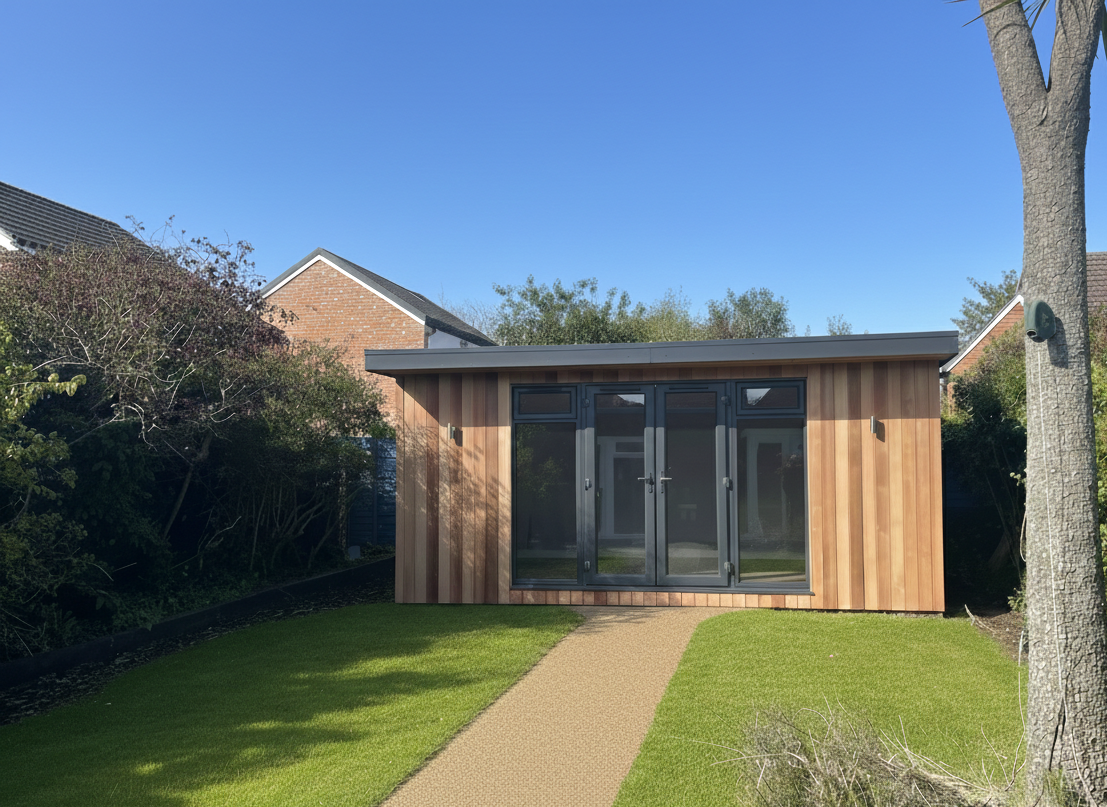
As you look ahead to the design trends for garden rooms in 2024, you’ll notice a strong shift towards eco-friendly materials and biophilic designs. Homeowners are increasingly choosing sustainable options like reclaimed wood and recycled metals, while integrating natural elements such as vertical gardens and water features to create a serene, nature-connected space. But that’s not all—there’s also a growing interest in smart technology integration and multifunctional spaces that adapt to various needs. Imagine how these trends can transform your garden room into a versatile, aesthetic retreat, but what specific features should you consider?
Key Takeaways
– Eco-Friendly Materials: Use recycled and sustainably sourced materials for construction and decor to minimise environmental impact.
– Biophilic Designs: Integrate natural elements and greenery to enhance the connection with nature and improve indoor air quality.
– Smart Technology Integration: Implement smart lighting, climate control, and irrigation systems for energy efficiency and convenience.
– Multifunctional Spaces: Design flexible and adaptable layouts with modular furniture and creative storage solutions for various activities.
– Outdoor-Indoor Harmony: Create a seamless flow between indoor and outdoor spaces with large doors, earthy colour palettes, and native landscaping.
Eco-Friendly Materials
Embrace sustainability in your garden room by incorporating eco-friendly materials. Start by selecting recycled materials for construction and decor. Recycled wood, metal, and glass not only reduce waste but also add unique aesthetic value to your space. Look for suppliers specialising in sustainable sourcing to guarantee the materials have minimal environmental impact.
When choosing wood, opt for reclaimed timber or FSC-certified wood, which assures responsible forestry practices. Recycled metal can be a robust option for structural elements or decorative accents. For flooring, consider reclaimed materials like repurposed tiles or recycled composite decking, which combine durability with sustainability.
Insulation is another critical area where eco-friendly materials can make a difference. Use recycled denim or wool insulation instead of conventional fibreglass. These materials offer excellent thermal performance and reduce landfill waste.
Additionally, low-VOC (volatile organic compounds) paints contribute to healthier indoor air quality and are available in a variety of finishes and colours.
Sustainable sourcing doesn’t stop at structural elements. Furnish your garden room with second-hand or upcycled furniture, and choose textiles made from organic or recycled fibres.
Biophilic Designs
Biophilic design principles prioritise the integration of natural elements into your garden room, fostering a connection between indoor spaces and the natural world. By harnessing natural light, you can maximise energy efficiency and enhance the overall ambiance.
Strategically placed windows and skylights guarantee ideal sunlight penetration, reducing the need for artificial lighting and creating a dynamic interplay of light and shadow.
Plant selection plays an essential role in biophilic designs. Choose native species and drought-resistant plants to minimise water consumption and support local ecosystems.
Incorporate vertical gardens or green walls to increase plant density without consuming valuable floor space. These installations not only improve air quality but also add an aesthetic dimension, making your garden room feel more integrated with its natural surroundings.
Additionally, consider using sustainable materials like reclaimed wood and natural stone to reinforce the biophilic theme.
These materials not only have a lower environmental impact but also provide tactile and visual connections to nature. Integrating water features, such as small fountains or ponds, can further enhance the sensory experience, promoting relaxation and well-being.
Smart Technology Integration
Integrating smart technology into your garden room can elevate its functionality and sustainability, transforming it into a cutting-edge space.
By incorporating smart lighting, you can tailor the ambiance to your exact preferences, maximising natural light during the day and using energy-efficient LED systems at night. These systems can be controlled via smartphone apps or voice commands, allowing you to adjust brightness and colour temperature seamlessly.
Automated climate control is another pivotal element. With advanced HVAC systems, you can maintain an ideal indoor environment regardless of external weather conditions. Smart thermostats and sensors monitor and adjust temperature and humidity in real-time, promoting energy efficiency and reducing your carbon footprint.
These systems also facilitate better air quality by integrating with air purifiers and ventilation units.
Furthermore, integrating smart irrigation systems can guarantee your garden remains lush without wasting water. These systems use weather forecasts and soil moisture sensors to apply the right amount of water at the perfect time.
Multifunctional Spaces
Maximising the utility of your garden room requires a focus on multifunctional spaces. By incorporating flexible layouts, you can adapt the area to serve various purposes, from a serene home office to an entertainment hub.
Consider modular furniture that can be easily reconfigured to suit different activities, thereby optimising the spatial dynamics.
Creative storage solutions are essential for maintaining a clutter-free environment. Built-in shelves, under-seat compartments, and wall-mounted units can effectively utilise vertical space, ensuring that every square inch is put to good use.
Opt for sustainable materials like reclaimed wood or bamboo for these storage elements, reinforcing your commitment to eco-friendly design.
Incorporating sliding or folding partitions allows you to segment the garden room into distinct zones without compromising the flow of natural light.
These partitions can be crafted from recyclable materials, adding another layer of sustainability to your project.
Energy efficiency is also key; integrate low-energy lighting and passive solar heating techniques to reduce your carbon footprint.
Personalised Touches
Adding personalised touches to your garden room can greatly enhance its uniqueness and functionality. Start by selecting custom decor that resonates with your aesthetic preferences while guaranteeing it’s sustainable. Opt for locally-sourced materials to craft bespoke items like shelving units or wall art. This not only supports local artisans but also reduces your carbon footprint.
Unique furnishings are pivotal in creating a space that reflects your personality. Choose pieces that aren’t just visually appealing but also eco-friendly. For example, consider upcycled furniture made from reclaimed wood or repurposed metal. These options add character and sustainability to your garden room.
Incorporate multifunctional elements to maximise the utility of your space. A custom-built bench with integrated storage can serve both as seating and a practical storage solution. Think about modular furniture that can be easily reconfigured to suit your needs, whether it’s for relaxation or work.
Lastly, consider the environmental impact of your design choices. Use non-toxic paints and finishes, and guarantee that all materials are sustainably sourced.
Outdoor-Indoor Harmony
One of the most essential aspects of garden room design in 2024 is achieving seamless outdoor-indoor harmony.
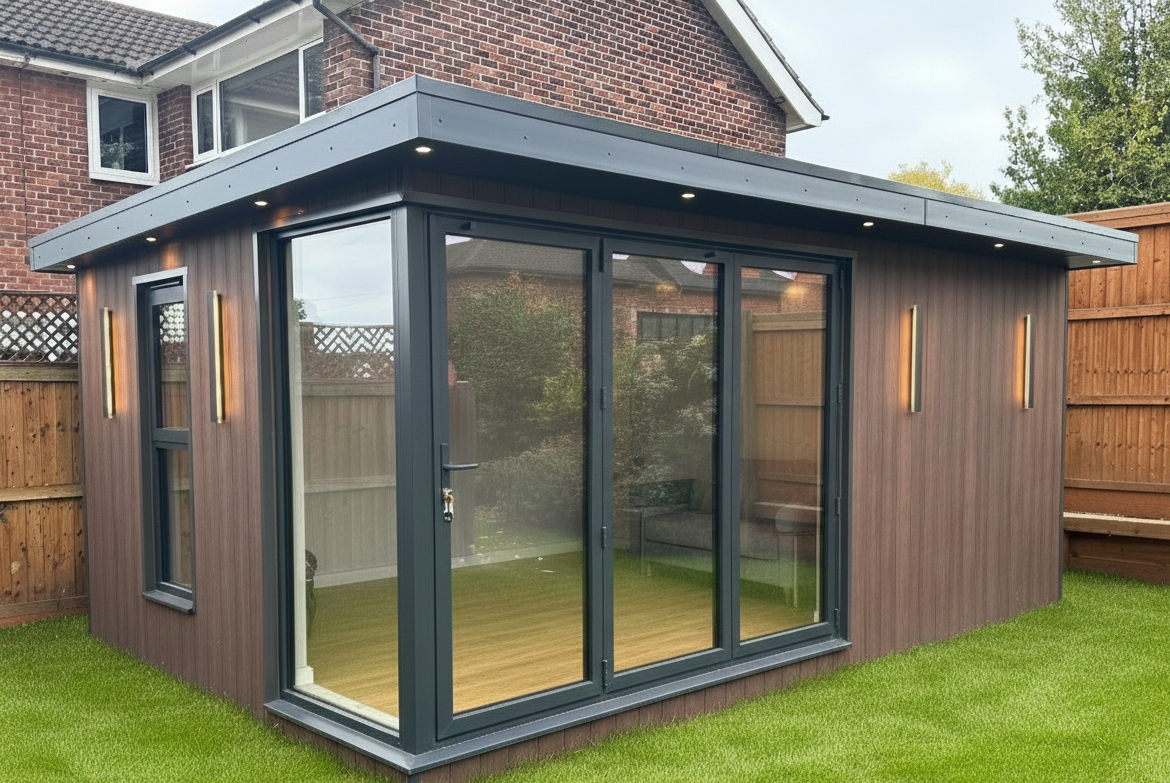
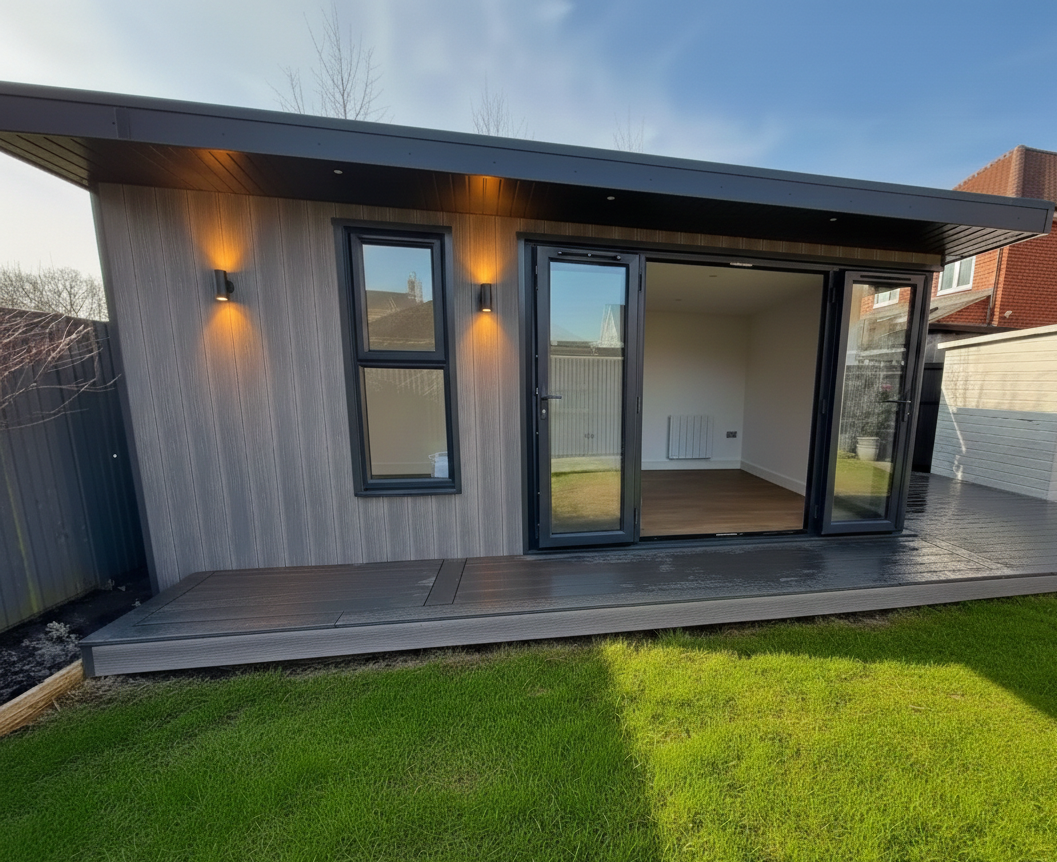
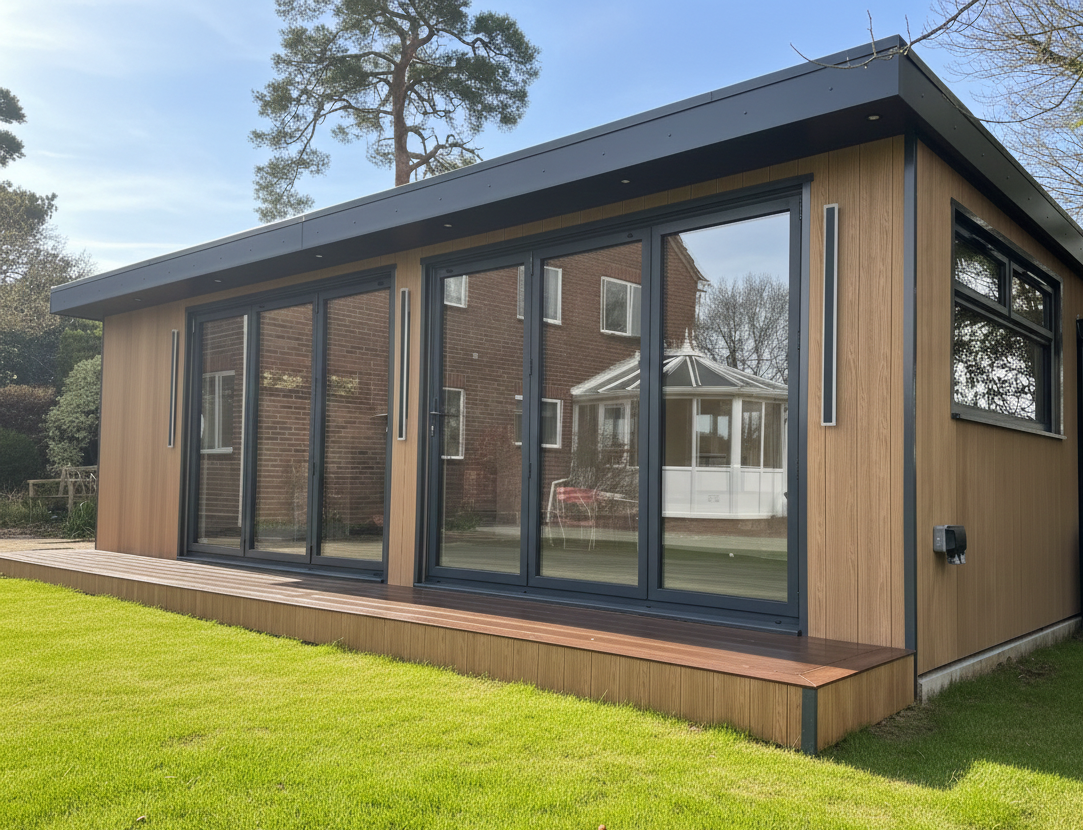
You’ll want to focus on creating a spatial flow that erases the boundaries between your garden room and the surrounding landscape. This can be done by using large bi-fold or sliding doors that open wide to let the exterior environment become an extension of your indoor space.
Colour palettes play a significant role in this design trend. Opt for earthy tones like greens, browns, and soft neutrals that reflect the natural surroundings.
These colours will create a cohesive look that ties your indoor setting to the outdoor scenery. Sustainable materials, such as reclaimed wood and natural stone, can further enhance this connection while promoting eco-friendly practices.
Incorporating native plants around your garden room can also bolster the outdoor-indoor harmony.
These plants will thrive in your local climate, reducing the need for excessive watering and chemical interventions. When you’re planning your layout, consider integrating features like green roofs or living walls to increase your garden room’s sustainability and aesthetic appeal.
Frequently Asked Questions
How Can I Manage Pests in My Garden Room?
To manage pests in your garden room, integrate pest control by using natural repellents like neem oil or diatomaceous earth. Guarantee your approach is site-specific and sustainable to minimise environmental impact while effectively protecting your plants.
What Are the Best Plants for Low-Light Garden Rooms?
For the best low light plants, choose snake plants, pothos, and ZZ plants. These hardy species thrive in dim conditions, reducing your indoor plant care workload and supporting sustainable gardening by requiring minimal energy for lighting.
How Do I Winterize My Garden Room?
To winterize your garden room, you should apply proper insulation techniques like double-glazing windows and sealing gaps. Consider sustainable heating options such as solar-powered heaters or energy-efficient electric radiators to maintain a warm, eco-friendly environment.
Are There Any Specific Permits Required for Building a Garden Room?
Curiously, if you’re building a garden room, you’ll need to check local building codes and zoning regulations. These guarantee your project meets safety standards and sustainability requirements. Always consult your local planning department to avoid potential issues.
How Can I Soundproof My Garden Room Effectively?
To soundproof your garden room effectively, install acoustic panels on walls and ceilings. Use soundproof curtains for windows and doors. These sustainable solutions reduce noise pollution while enhancing your room’s tranquillity and eco-friendliness.
Conclusion
In 2024, garden rooms will be the epitome of sustainable living, blending eco-friendly materials and biophilic designs with smart technology. You’ll transform spaces into multifunctional retreats where nature and innovation dance in harmony. By incorporating personalised touches and ensuring seamless outdoor-indoor connections, these spaces will not only be chic but also environmentally conscious. Imagine your garden room as a green sanctuary, where every element is a proof of sustainable sophistication.